





 |
|
|||||||||||||||
 |
||||||||||||||||











 |
||
 |
Sacred Valley of the Inca
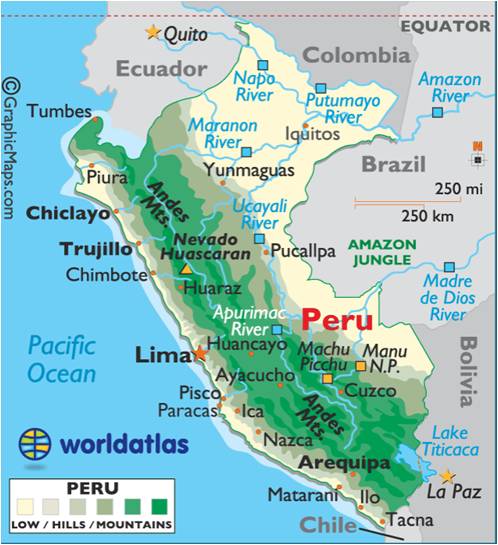
Ollantaytambo Archaeological Site  Ollantaytambo is an archaeological site in the Sacred Valley of the Inca, on the way to Mach Picchu. It is the only Inca place to have resisted attacks by the Spanish. Although the ruins give the impression of a fortification it was actually a ceremonial centre, the construction of which was never completed. READ MORE Ollantaytambo is an archaeological site in the Sacred Valley of the Inca, on the way to Mach Picchu. It is the only Inca place to have resisted attacks by the Spanish. Although the ruins give the impression of a fortification it was actually a ceremonial centre, the construction of which was never completed. READ MORESacsayhuaman Archaeological Site 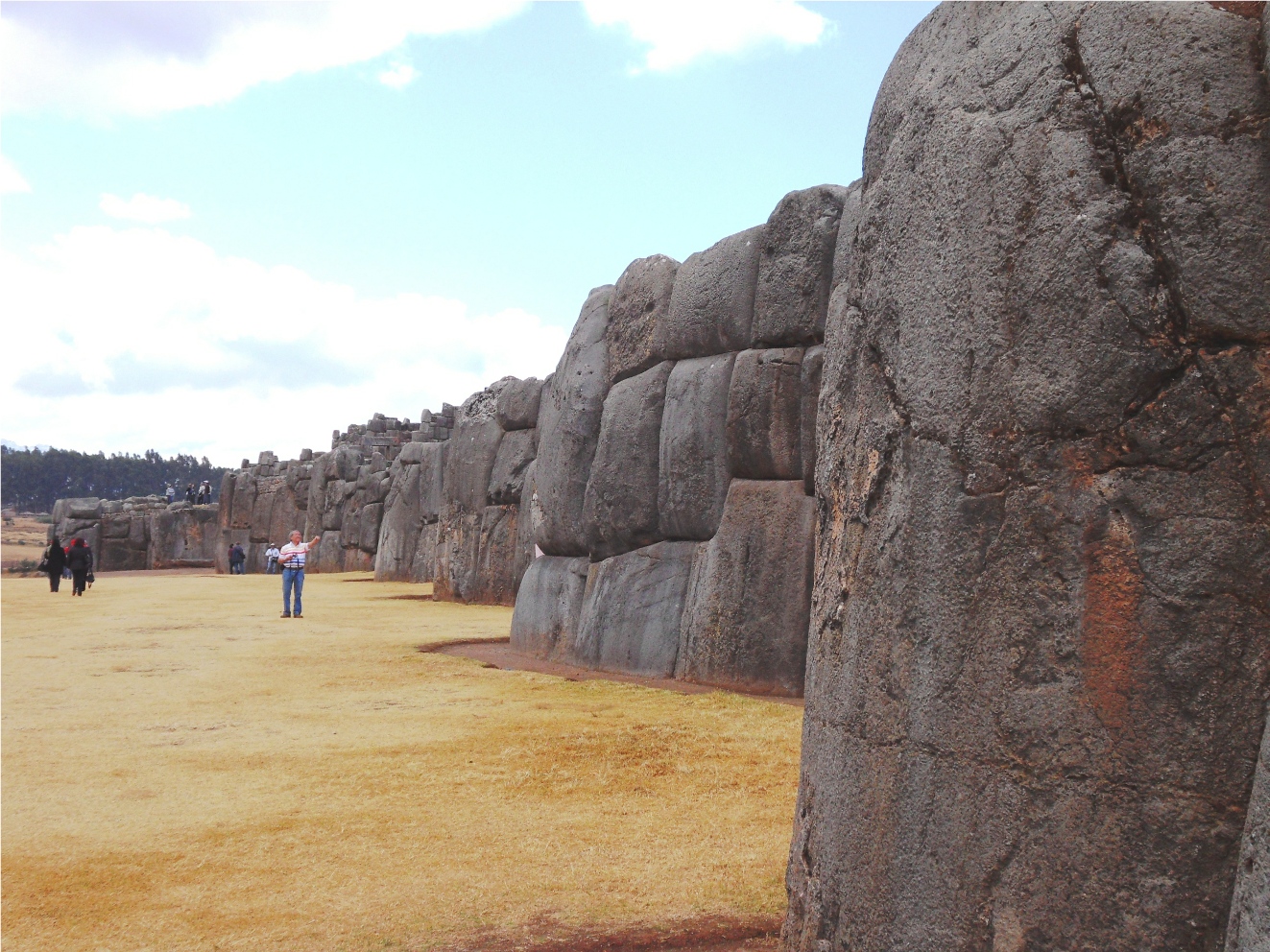 The Inca fortress of Sacsayhuaman located outside of Cusco, the Capital of the Inca Empire, is renowned for its stonework consisting of three large parallel walls constructed of large stones which zigzag for over 400m. The fortress fell to the Spanish in May 1536 marking the defeat of the Inca and the end of the Inca Empire. READ MORE
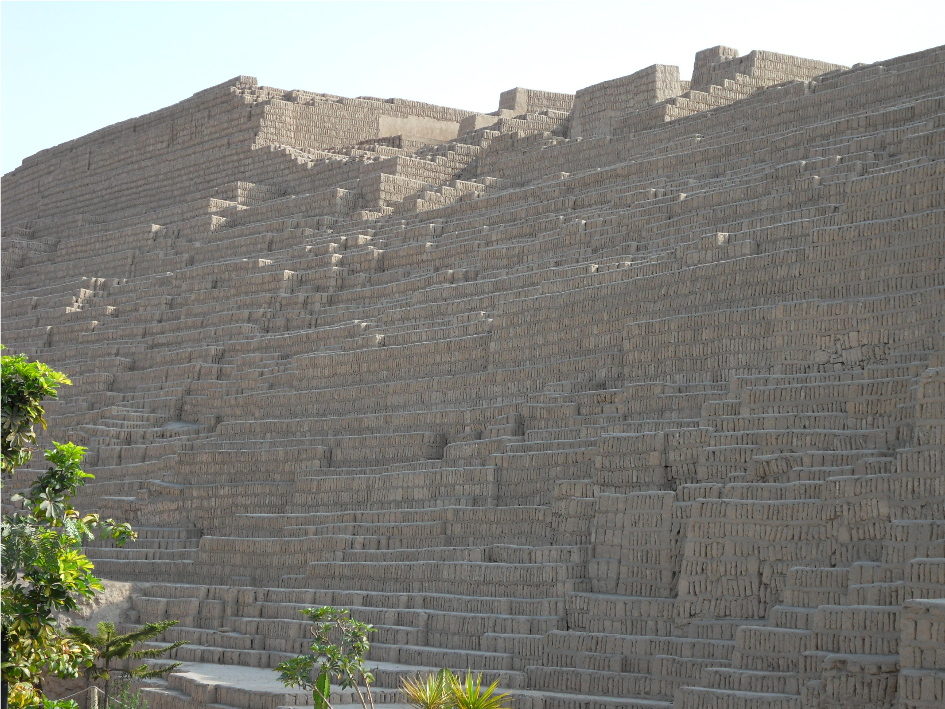
Huaca Pucllana Archaeological Site
Excavations and conservation work started in the middle of the 20th century when the top of the pyramid was exposed, but it wasn’t until 1981 that permanent work on the archaeological complex revealed the importance of Huaca Pucllana and led to it becoming a Historic Cultural Park. READ MORE 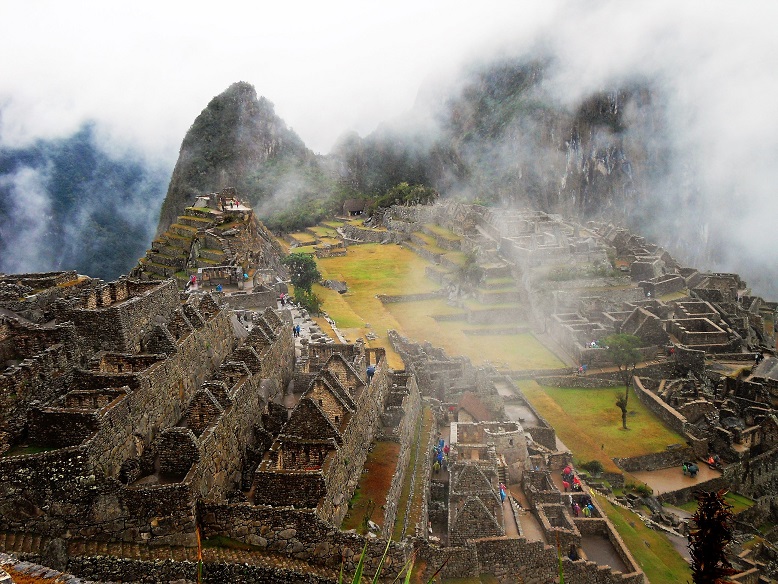 Machu Picchu, the lost city of the Inca, is one of the most important archaeological sites in South America and the most visited tourist attraction in Peru. Despite being located close to the Inca capital of Cusco the site was never discovered by the Spanish during their conquest, consequently, it was not destroyed and remained relatively intact. Machu Picchu (meaning 'Old Peak' in the Quechua language) refers to the mountain that overlooks the site, its Inca name is not known. READ MORE Machu Picchu, the lost city of the Inca, is one of the most important archaeological sites in South America and the most visited tourist attraction in Peru. Despite being located close to the Inca capital of Cusco the site was never discovered by the Spanish during their conquest, consequently, it was not destroyed and remained relatively intact. Machu Picchu (meaning 'Old Peak' in the Quechua language) refers to the mountain that overlooks the site, its Inca name is not known. READ MORE
El Brujo Archaeological Site 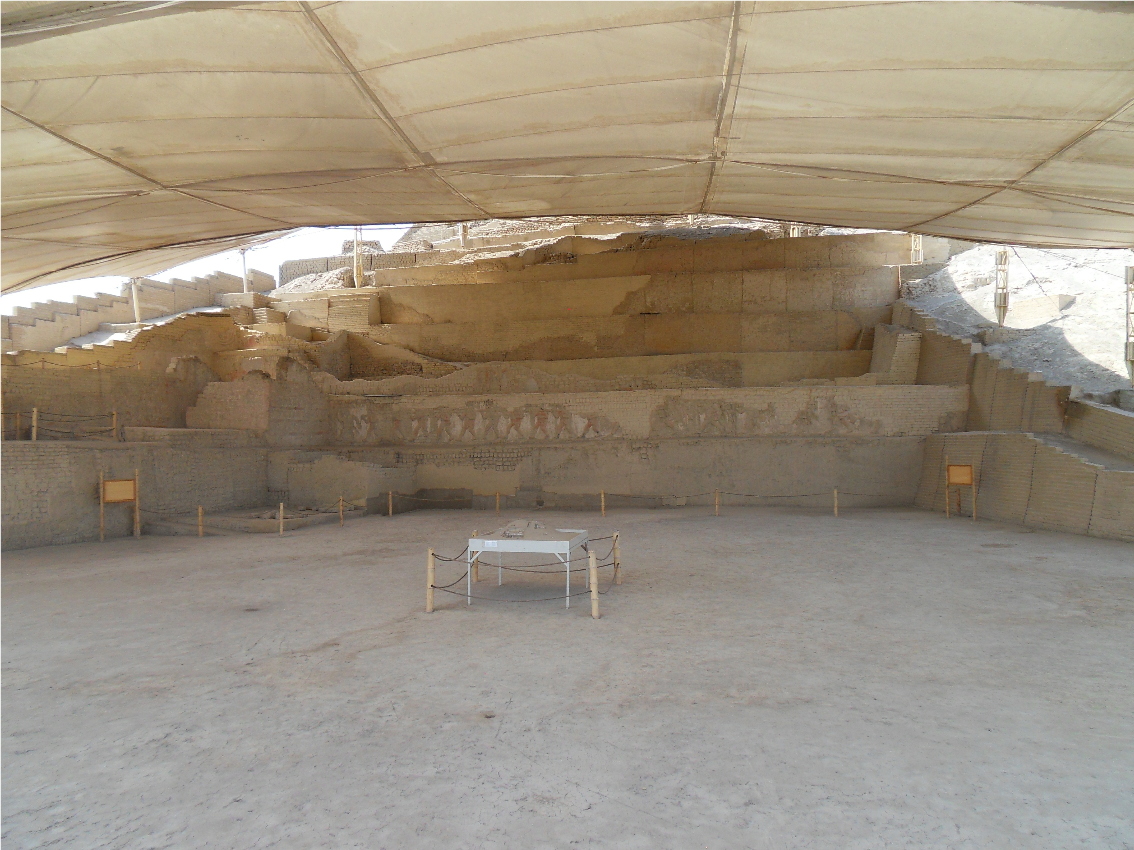 The archaeological site at El Brujo (which means witch doctor) derived its name from the fact that the site was used to perform Shamanic rituals. It is situated on the coast of Peru near Trujillo and consists of two pyramids, Huaca El Brujo (or Huaca Cortada) and Huaca Cao Viejo (or Huaca Blanca), constructed of adobe (mud bricks) by the Moche (also known as the Mochia). The Moche were hunter-gathers who inhabited the region of Northern Peru from the 1st to the 8th century and were one of the most important cultures in ancient Peru. READ MORE The archaeological site at El Brujo (which means witch doctor) derived its name from the fact that the site was used to perform Shamanic rituals. It is situated on the coast of Peru near Trujillo and consists of two pyramids, Huaca El Brujo (or Huaca Cortada) and Huaca Cao Viejo (or Huaca Blanca), constructed of adobe (mud bricks) by the Moche (also known as the Mochia). The Moche were hunter-gathers who inhabited the region of Northern Peru from the 1st to the 8th century and were one of the most important cultures in ancient Peru. READ MOREChan Chan Archaeological Site
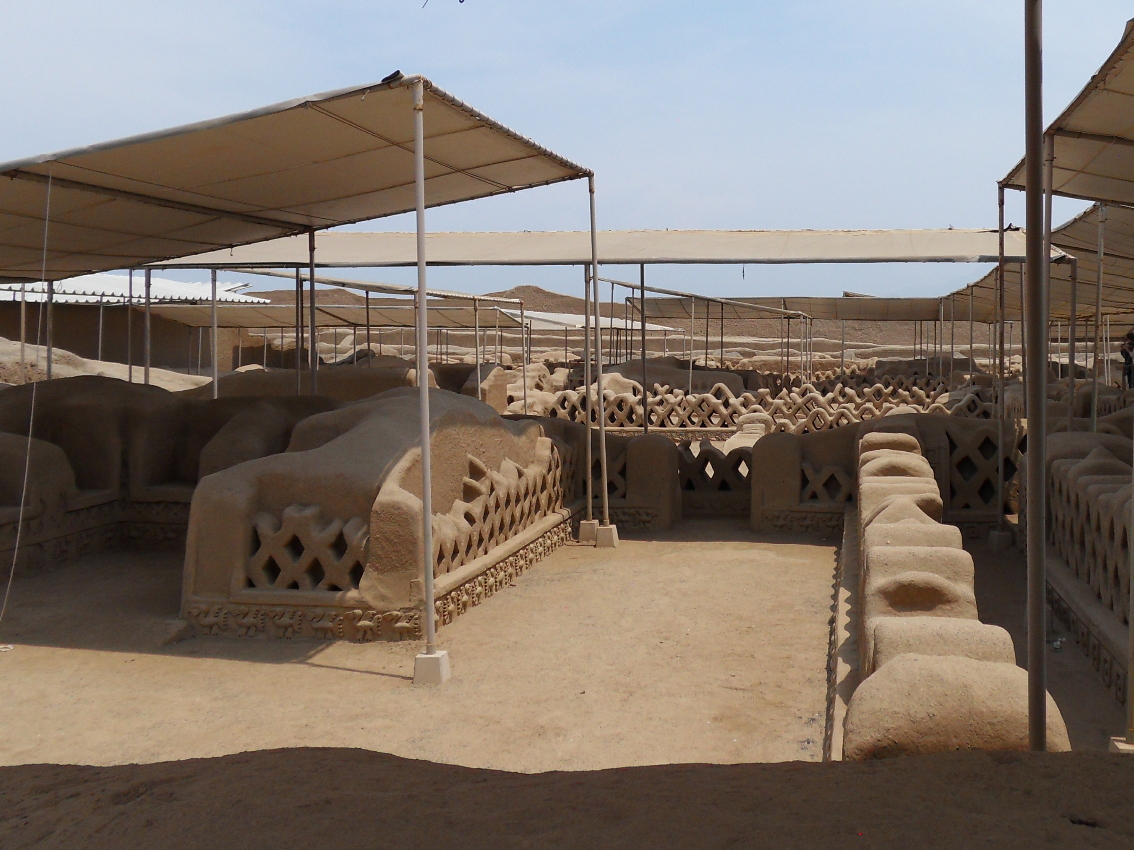 The archaeological site of Chan Chan is located near the Pacific coast, close to the city of Trujillo in Northern Peru. Covering an area of 36 square miles, the city was the centre of government for the Chimú kingdom. The Chimú, which developed from the Moche, were to become the prominent civilisation in the region from around 850 to 1470 AD until they were subdued by the Inca. READ MORE The archaeological site of Chan Chan is located near the Pacific coast, close to the city of Trujillo in Northern Peru. Covering an area of 36 square miles, the city was the centre of government for the Chimú kingdom. The Chimú, which developed from the Moche, were to become the prominent civilisation in the region from around 850 to 1470 AD until they were subdued by the Inca. READ MOREHuaca de la Luna Archaeological Site
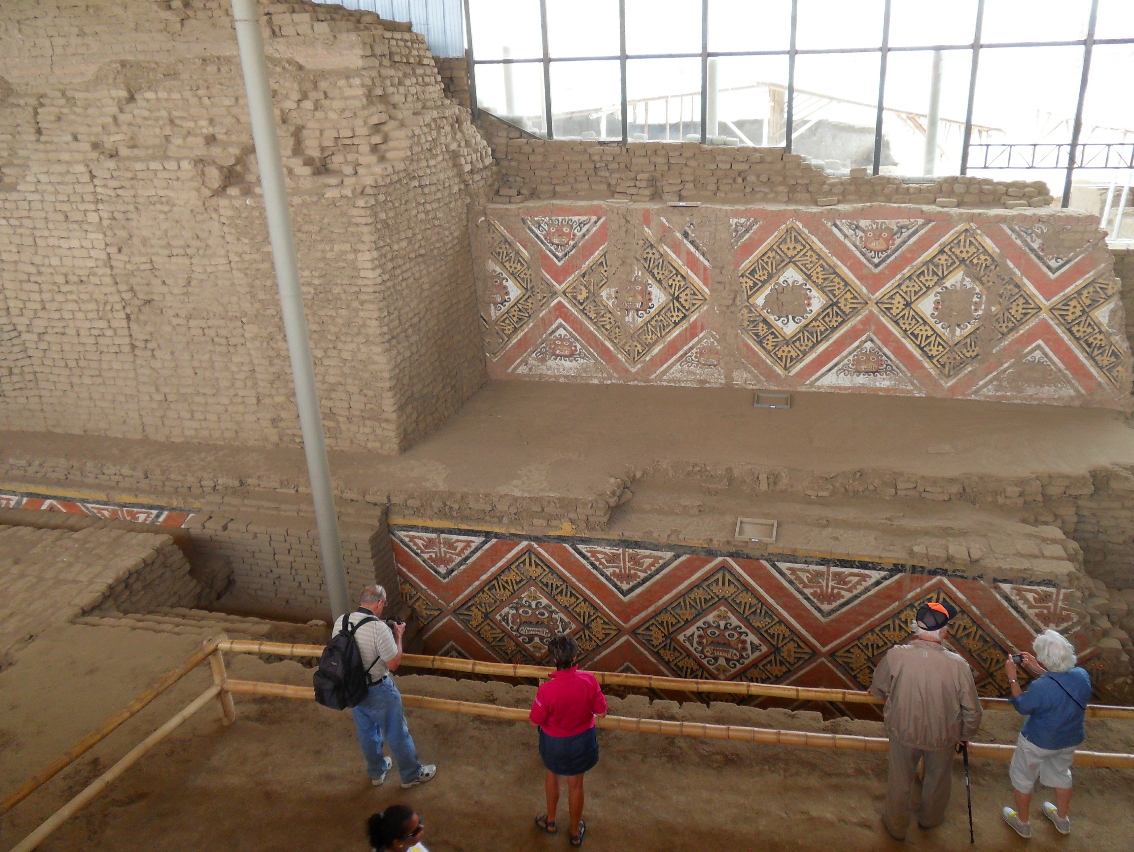 Located near the city of Trujillo at the mouth of the Moche River in Northern Peru, the Huaca de la Luna (Temple of the Moon) together with the Huaca del Sol (Temple of the Sun) formed part of the ancient city of Huacas de Moche which was the capital city of the Moche people. The remnants of Huacas de Moche can still be seen between the two structures indicating a densely packed community consisting of residential, administration, workshops, cemeteries, and religious buildings. The buildings contained finely finished floors and walls plastered with mud and then painted. Many of the buildings contained storage areas and the remains of hearths, grinding stones, pottery, and food. Many of the remains have also been found to have dated to the 1st century BC which preceded the Moche and also to those of the Chimú and Inca which followed them. READ MORE Located near the city of Trujillo at the mouth of the Moche River in Northern Peru, the Huaca de la Luna (Temple of the Moon) together with the Huaca del Sol (Temple of the Sun) formed part of the ancient city of Huacas de Moche which was the capital city of the Moche people. The remnants of Huacas de Moche can still be seen between the two structures indicating a densely packed community consisting of residential, administration, workshops, cemeteries, and religious buildings. The buildings contained finely finished floors and walls plastered with mud and then painted. Many of the buildings contained storage areas and the remains of hearths, grinding stones, pottery, and food. Many of the remains have also been found to have dated to the 1st century BC which preceded the Moche and also to those of the Chimú and Inca which followed them. READ MORE |
 |
 |
||


All Photographs were taken by and are copyright of Ron Gatepain


| Site Map |