





 |
|
||||||||||||||||||||||||
 |
|||||||||||||||||||||||||











 |
||
 |
  Tower of London 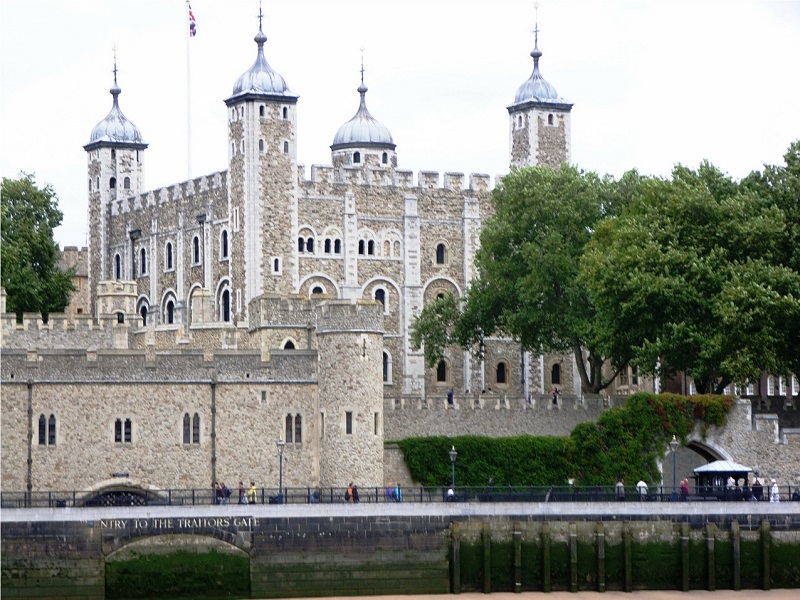 The Tower of London – known as The Tower - has been a Castle, Palace, Prison, Museum and a place offering a secure repository for the keeping of valuables. Spanning back to the 11th century its history started with the death of Edward the Confessor who died childless in 1066. Edward’s brother-in-law, Harold Godwinson, was crowned king but William, Duke of Normandy, a distant blood relative, claimed he had been promised the throne. This led to William invading England and the defeat of Harold at the Battle of Hastings. READ MORE The Tower of London – known as The Tower - has been a Castle, Palace, Prison, Museum and a place offering a secure repository for the keeping of valuables. Spanning back to the 11th century its history started with the death of Edward the Confessor who died childless in 1066. Edward’s brother-in-law, Harold Godwinson, was crowned king but William, Duke of Normandy, a distant blood relative, claimed he had been promised the throne. This led to William invading England and the defeat of Harold at the Battle of Hastings. READ MOREPalace of Westminster
The history of the site started in Roman times when a temple dedicated to Apollo is believed to have stood on the site. Although its present development began in the 8th century when a Saxon church dedicated to St Peter was constructed and became known as the West Minster. In the 10th Westminster Abbey
Kensington Palace
St Paul's Cathedral
Farm Street Church The Church of the Immaculate Conception 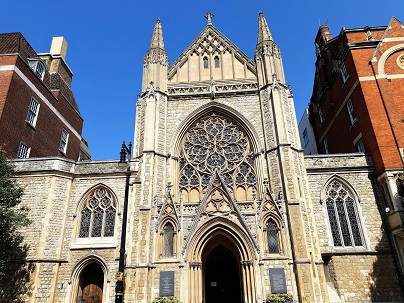 The Church of the Immaculate Conception in Mayfair is a Jesuit church more commonly known as Farm Street Church. Dating back to the 1840s it was built as a simple “T” shape with a single nave. It was extended in the latter part of the 19th century to include two isles which include chapels that now displays some beautiful pieces of art. READ MORE The Church of the Immaculate Conception in Mayfair is a Jesuit church more commonly known as Farm Street Church. Dating back to the 1840s it was built as a simple “T” shape with a single nave. It was extended in the latter part of the 19th century to include two isles which include chapels that now displays some beautiful pieces of art. READ MORE
Kings Cross Station
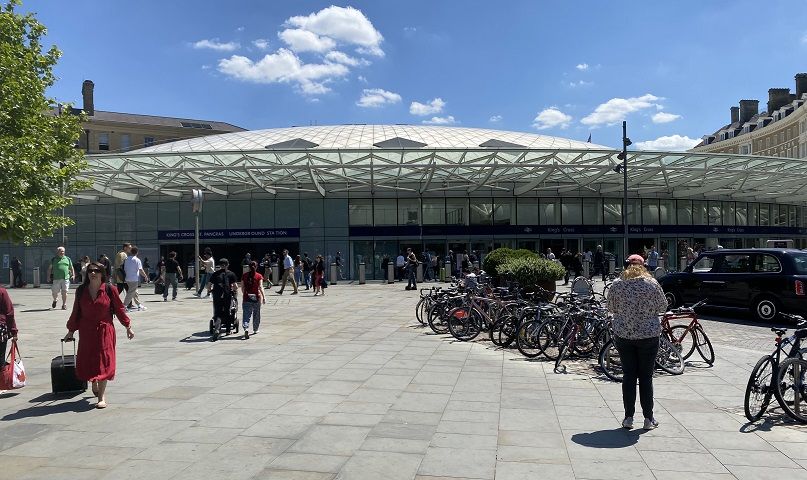 Built in 1851–52 as the London terminus of the Great Northern Railway, Kings Cross Station has undergone a number of redevelopments and extensions in order to cater for the East Coast Main Line trains and suburban lines. READ MORE Built in 1851–52 as the London terminus of the Great Northern Railway, Kings Cross Station has undergone a number of redevelopments and extensions in order to cater for the East Coast Main Line trains and suburban lines. READ MORESt James's Church, Piccadilly 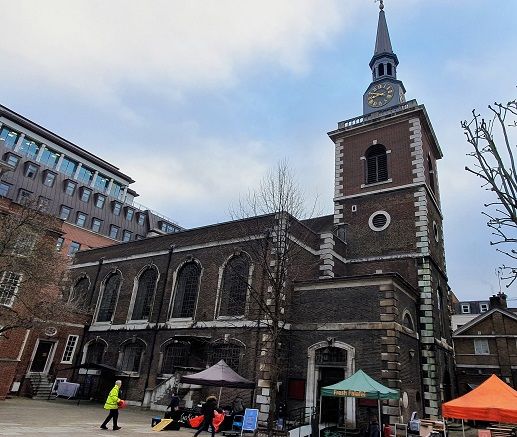 Designed and built by Sir Christopher Wren, St James's Church, Piccadilly, London, England was consecrated on 13th July 1684. It consists of one great room with a barrel-vaulted ceiling over the nave, which is supported by arches over Corinthian columns. Damaged during the war in an air raid it has undergone a number of restoration projects. Known for its concerts that are regularly held there it is also known for its market, which is open six days a week. READ MORE Designed and built by Sir Christopher Wren, St James's Church, Piccadilly, London, England was consecrated on 13th July 1684. It consists of one great room with a barrel-vaulted ceiling over the nave, which is supported by arches over Corinthian columns. Damaged during the war in an air raid it has undergone a number of restoration projects. Known for its concerts that are regularly held there it is also known for its market, which is open six days a week. READ MOREAll Hallows by the Tower F 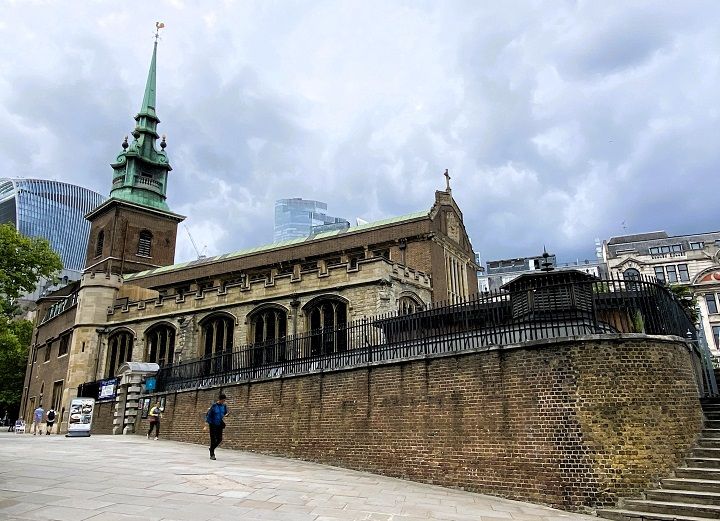 ounded in 675 AD and is the oldest church in the City of London. Due to its location next to the Tower of London, the church has cared for numerous beheaded bodies brought for temporary burial following their executions on Tower Hill. Although badly damaged in 1940 it was rebuilt and contains elements dating back to the Saxon church originally located there. It contains a number of artifacts in the church itself and in its crypt museum. READ MORE ounded in 675 AD and is the oldest church in the City of London. Due to its location next to the Tower of London, the church has cared for numerous beheaded bodies brought for temporary burial following their executions on Tower Hill. Although badly damaged in 1940 it was rebuilt and contains elements dating back to the Saxon church originally located there. It contains a number of artifacts in the church itself and in its crypt museum. READ MORELondon Mithraeum / Temple of Mithras 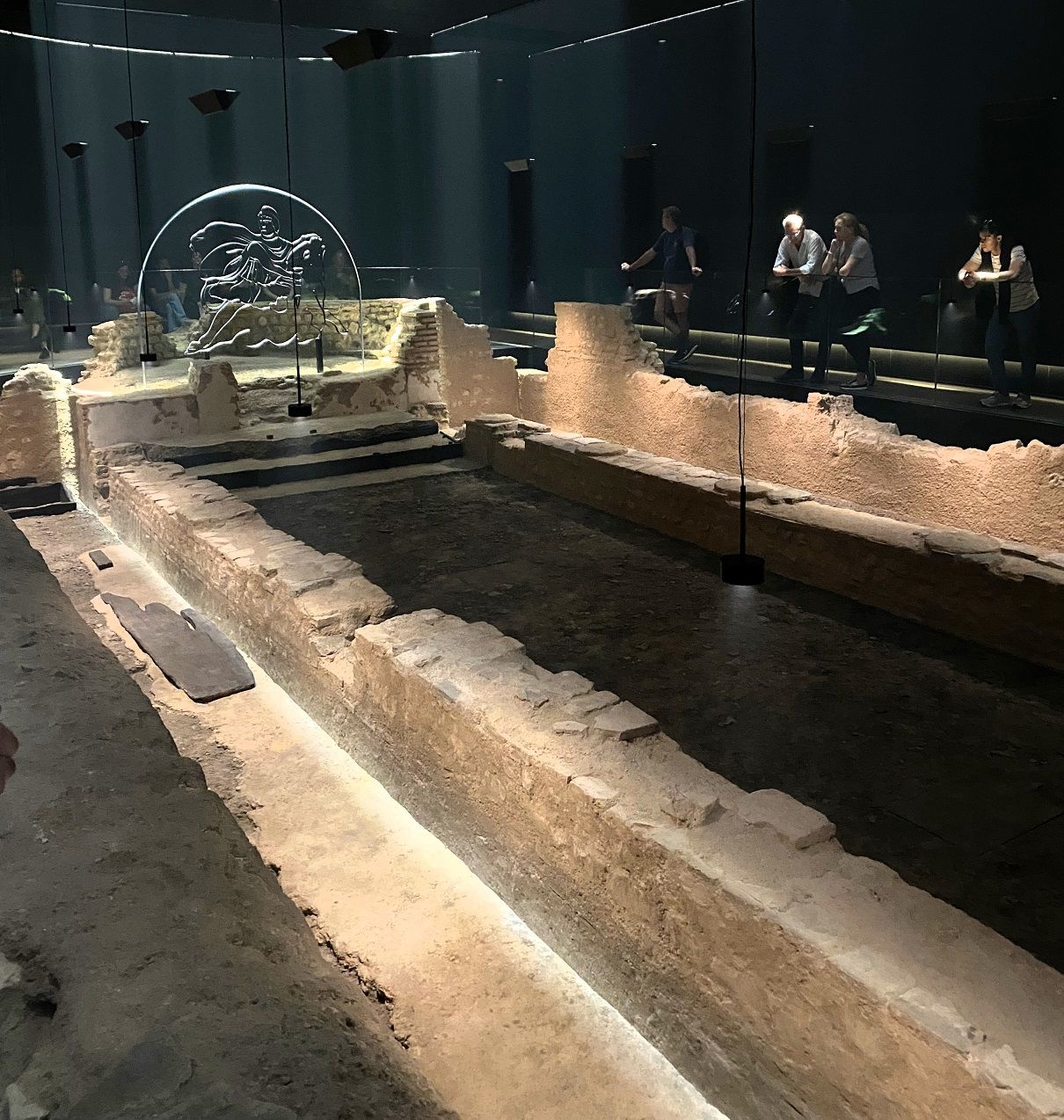 The London Mithraeum also known as the Temple of Mithras, was originally constructed around AD 240. It was discovered during construction excavation work in 1954. Moved to a new location in 1962 where the foundations were reassembled at street level. It was returned to its original location in 2010 where it now displays a number of artifacts found at the site. READ MORE St Martin-in-the-Fields Church 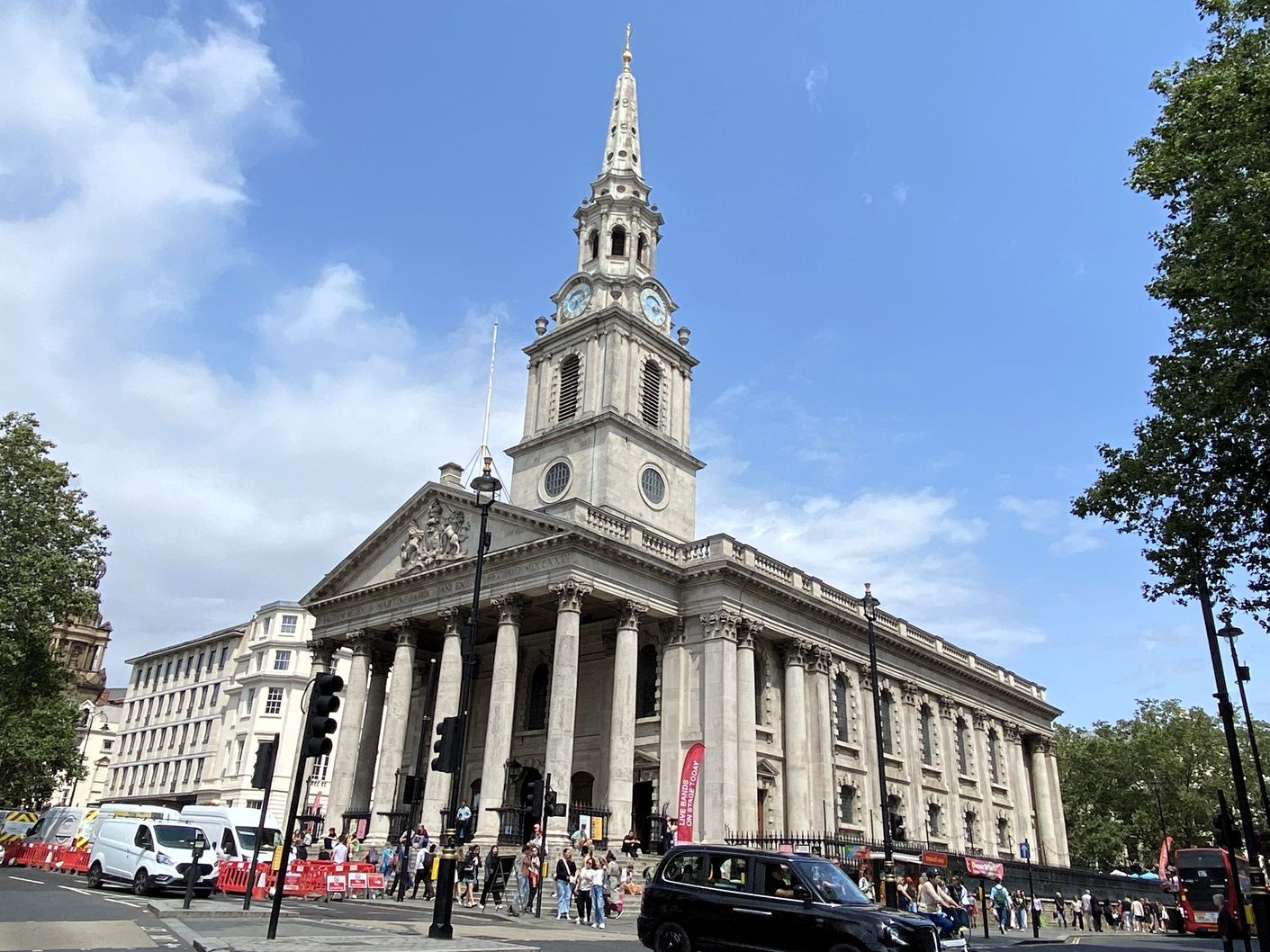 Situated in Trafalgar Square there has been a church on the site from Medieval times, although it is possible that its religious use dates back to at least the 5th century. Originally located in the fields outside of the city walls the existing building was constructed in 1722-1726 to replace the previous building which was in a poor state of repair. Today the crypt contains an art gallery and gift shop, and the London Brass Rubbing Centre. READ MORE Situated in Trafalgar Square there has been a church on the site from Medieval times, although it is possible that its religious use dates back to at least the 5th century. Originally located in the fields outside of the city walls the existing building was constructed in 1722-1726 to replace the previous building which was in a poor state of repair. Today the crypt contains an art gallery and gift shop, and the London Brass Rubbing Centre. READ MOREChrist Church, Spitalfields 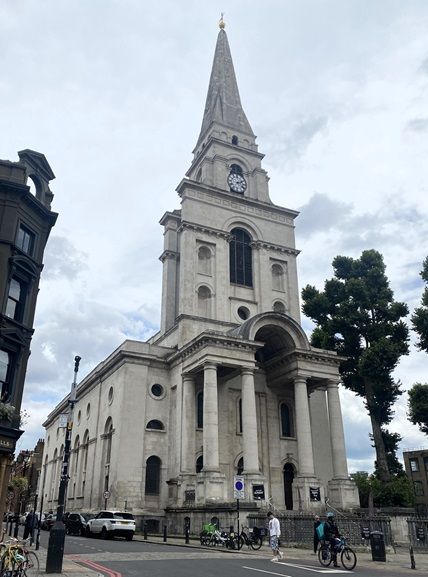 Constructed to serve the growing population of London's East End between 1714 and 1729 in English Baroque architectural style using Portland stone. Christ Church became a prominent landmark in the area due to its tall, elegant steeple which rises to 202 feet. Known for its 1735 organ by Richard Bridge, one of the leading organ builders of his time. Today, the Church serves as both a place of worship and a venue for various events, including concerts, exhibitions, and community gatherings. READ MORE St Mary Abbots Church, Kensington 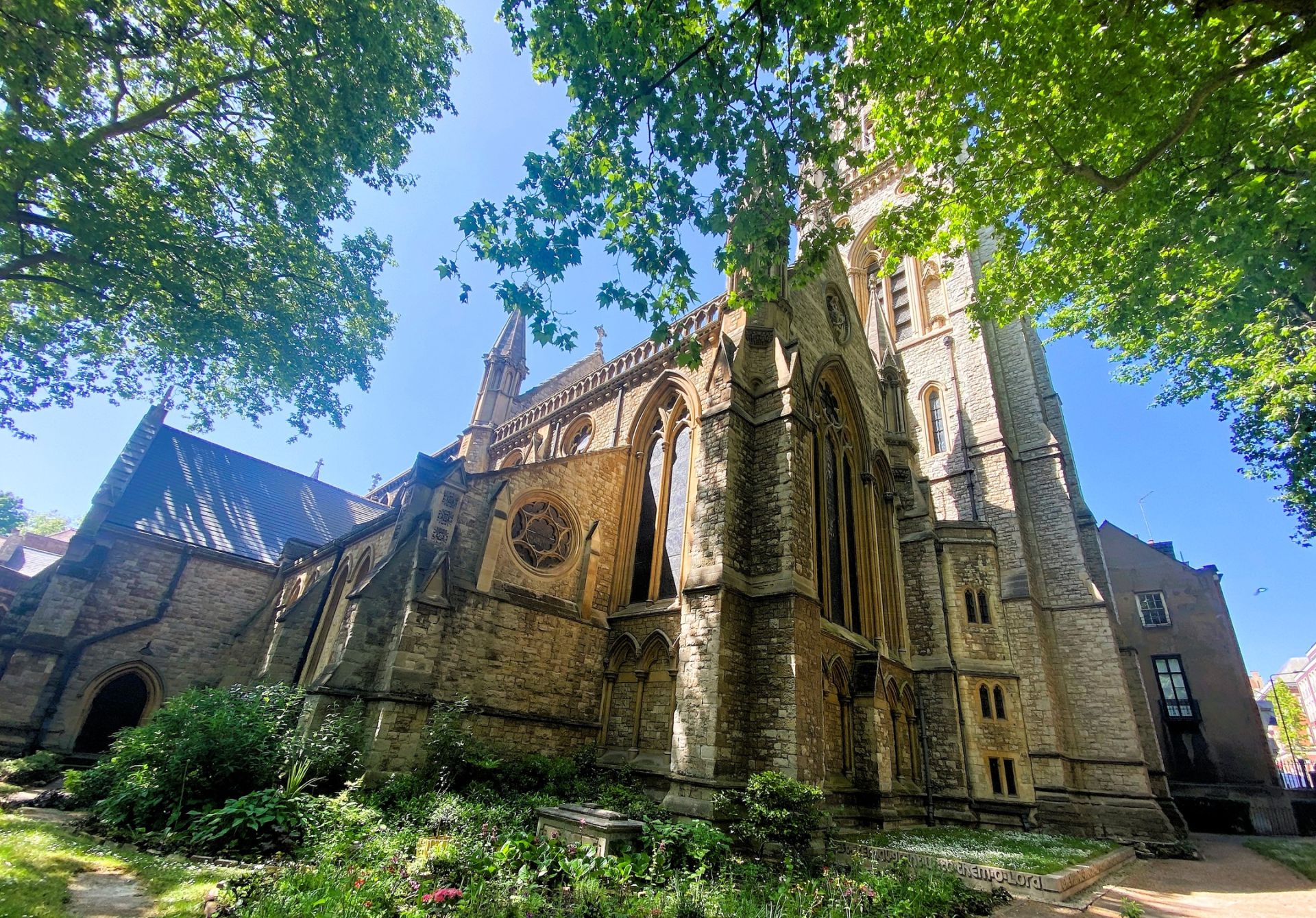 Dating back to the Doomsday Book, making it the first church in Kensington, St Mary Abbots Church as it originated today was founded in 1262. In 1370 it was rebuilt, something that occurred again in the late 17th-century. It was in 1872 however, that it was built in a Victorian Gothic Revival style. The church provides the location were a number of famous people are buried. READ MORE Dating back to the Doomsday Book, making it the first church in Kensington, St Mary Abbots Church as it originated today was founded in 1262. In 1370 it was rebuilt, something that occurred again in the late 17th-century. It was in 1872 however, that it was built in a Victorian Gothic Revival style. The church provides the location were a number of famous people are buried. READ MORESt Pancras International Railway Station  St Pancras International Railway Station, opened in 1868 to provide a major gateway for rail services to the Midlands and North of England. The station underwent major renovations to include a terminus for the Eurostar to provide access to Belgium, France, and the Netherlands, and this opened in 2007. READ MORE St Pancras International Railway Station, opened in 1868 to provide a major gateway for rail services to the Midlands and North of England. The station underwent major renovations to include a terminus for the Eurostar to provide access to Belgium, France, and the Netherlands, and this opened in 2007. READ MOREChurchill War Rooms  The Churchill or Cabinet War Rooms (as they are also known as) are a subterranean bunker beneath Whitehall, built in 1938 to protect Britain’s wartime leadership during World War II. Operational from the outbreak of war in 1939 until August 1945, the rooms served as a secure command centre where Winston Churchill and his ministers directed military strategy. Preserved almost exactly as they were left, the complex includes the Map Room with pinned charts of troop movements, Churchill’s office-bedroom, the War Cabinet Room, and living quarters for staff, all of which offer a vivid time capsule of life and decision-making under siege during the Blitz. READ MORE The Churchill or Cabinet War Rooms (as they are also known as) are a subterranean bunker beneath Whitehall, built in 1938 to protect Britain’s wartime leadership during World War II. Operational from the outbreak of war in 1939 until August 1945, the rooms served as a secure command centre where Winston Churchill and his ministers directed military strategy. Preserved almost exactly as they were left, the complex includes the Map Room with pinned charts of troop movements, Churchill’s office-bedroom, the War Cabinet Room, and living quarters for staff, all of which offer a vivid time capsule of life and decision-making under siege during the Blitz. READ MOREChrist Church Mayfair 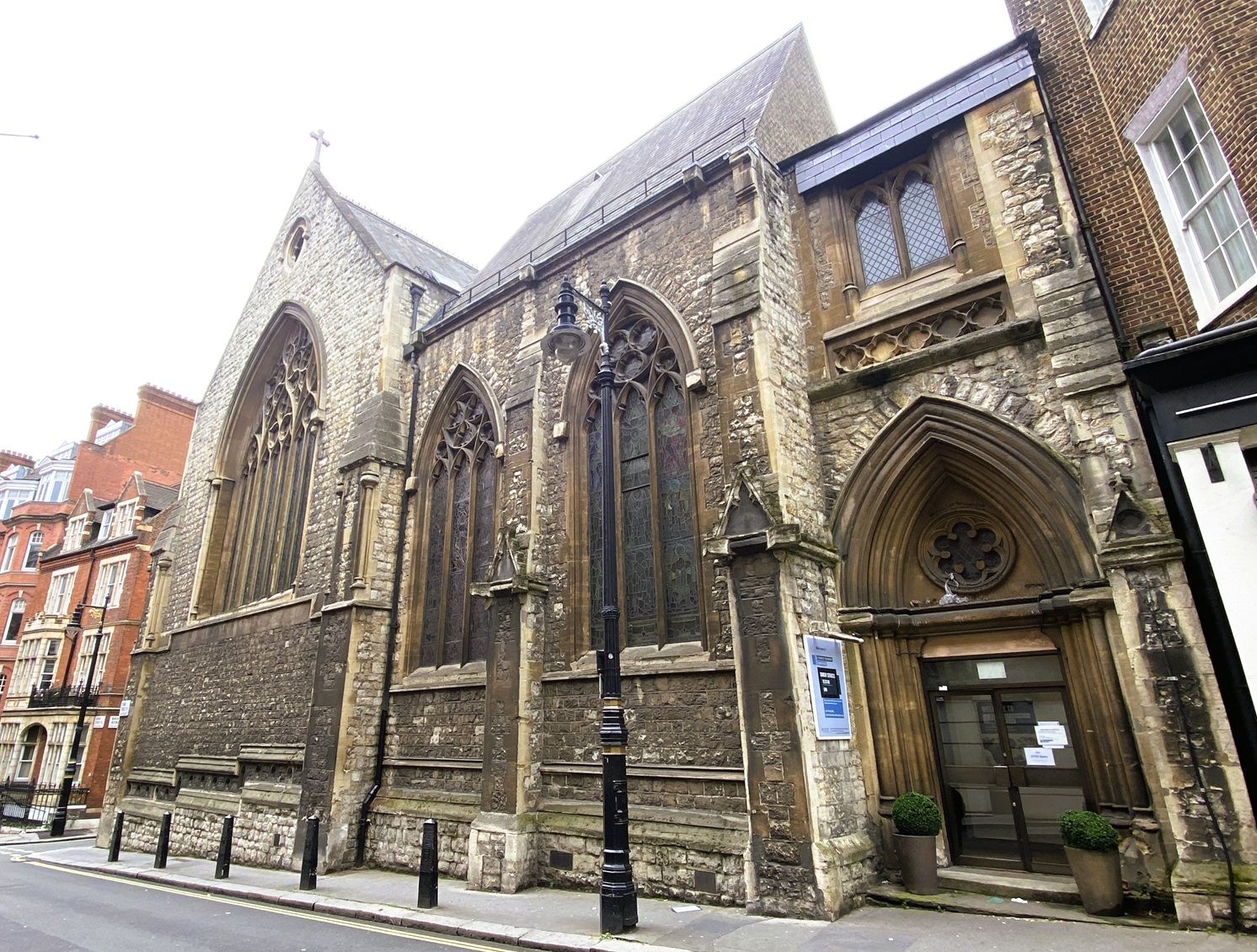 Christ Church Mayfair is a Grade II listed Victorian Gothic church in central London, originally built in the 1860s and revitalised in the early 2000s. Designed by F. & H. Francis, its architecture features a timber barrel-vaulted roof, reticulated tracery, stained glass by Clayton and Bell and R. L. Hesketh, and a commemorative reredos honouring Thomas Henry Hope. Though its interior has been simplified for contemporary worship, the church retains its historic baptismal font, organ, and symbolic layout. Today, it serves a diverse community of students, professionals, and families, emphasizing Bible teaching, discipleship, and gospel outreach within the Co-Mission network. READ MORE Christ Church Mayfair is a Grade II listed Victorian Gothic church in central London, originally built in the 1860s and revitalised in the early 2000s. Designed by F. & H. Francis, its architecture features a timber barrel-vaulted roof, reticulated tracery, stained glass by Clayton and Bell and R. L. Hesketh, and a commemorative reredos honouring Thomas Henry Hope. Though its interior has been simplified for contemporary worship, the church retains its historic baptismal font, organ, and symbolic layout. Today, it serves a diverse community of students, professionals, and families, emphasizing Bible teaching, discipleship, and gospel outreach within the Co-Mission network. READ MORE |
 |
 |
||
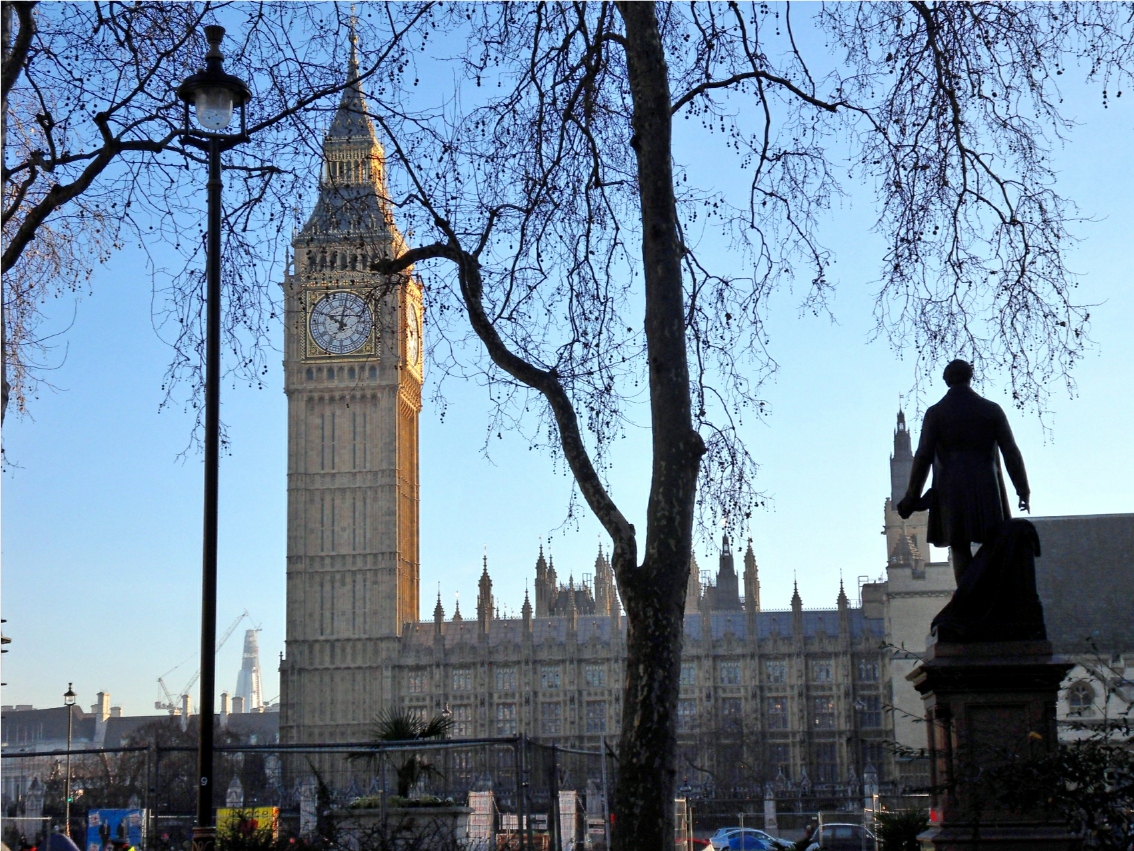
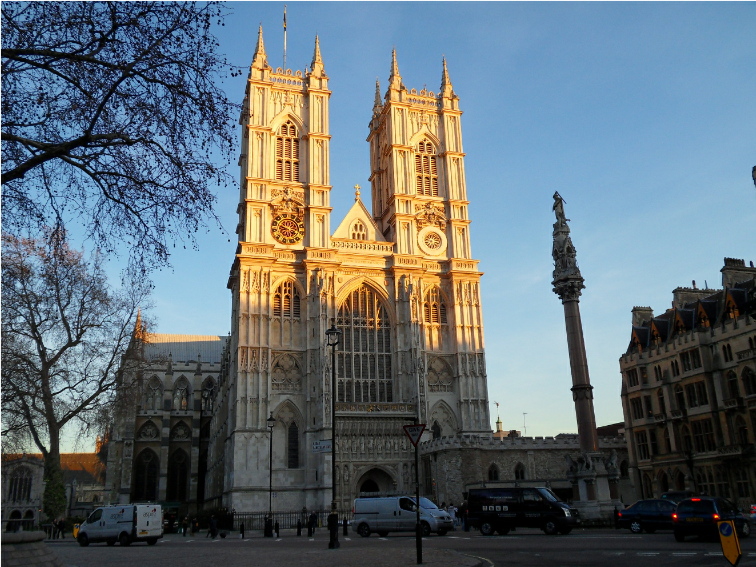 Westminster Abbey started as a Benedictine monastery established during the period of 960-980, although it is believed that an abbey - known as St Peters - was founded on the site in the 7th century. Between 1042 and 1052 King Edward the Confessor (1042-1066) began to rebuild and develop the abbey as a royal burial church. Although it was consecrated in 1065 shortly before Edwards’s death, it was not completed until the
 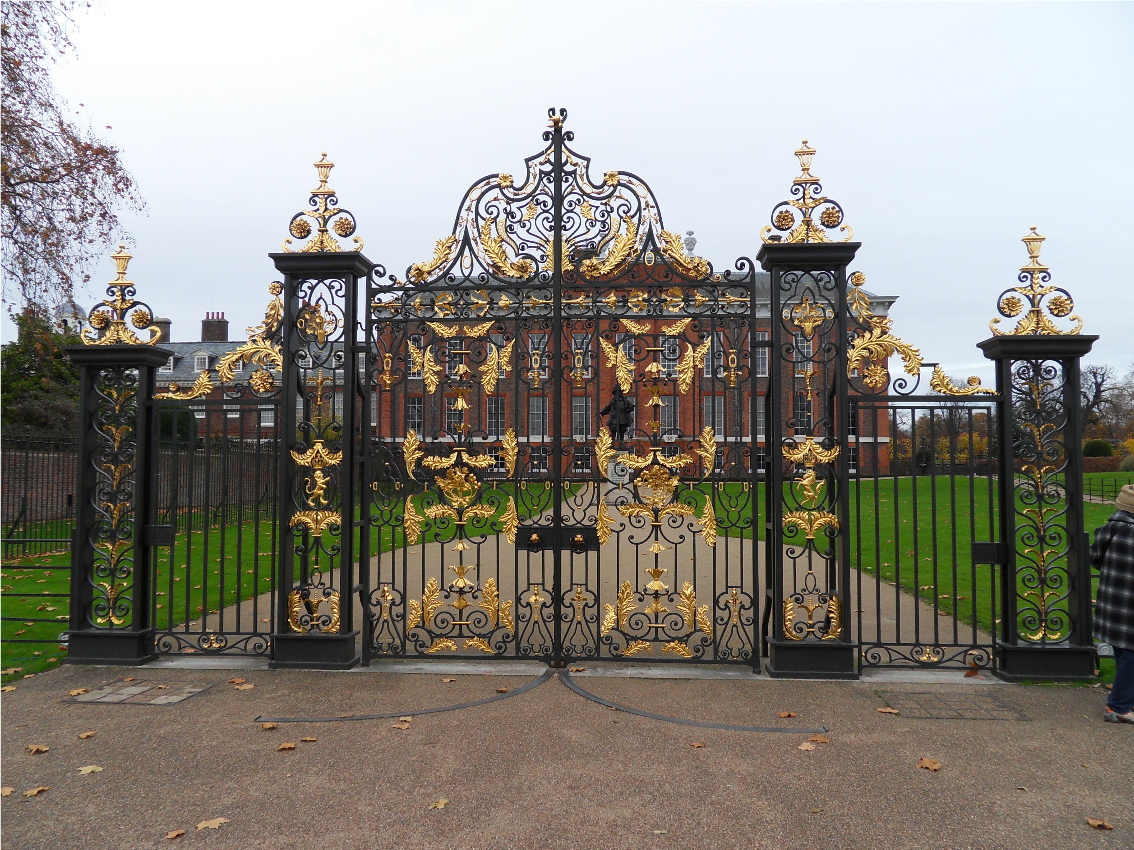 Built in 1605, the Jacobean property that was originally known as Nottingham House was acquired by William (III) and Mary (II) in 1689 for the sum of £20,000. They embarked on an expansion
 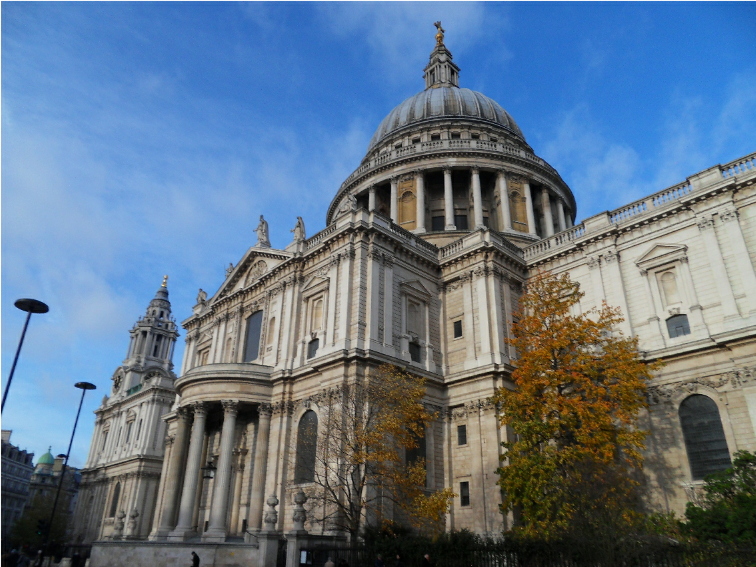 St Paul’s Cathedral was designed by Sir Christopher Wren to replace the cathedral destroyed in the Great Fire of London in 1666. Constructed during the years from 1675 to 1710 it is the fourth religious building on the site. The first was built in 604 which was destroyed and rebuilt following Viking raids and subsequent fires. It was around 1087 that Bishop Maurice, the Chaplain to William the Conqueror started the construction of what was to become known as Old St Paul’s. This was completed in 1240 although was subsequently enlarged finally being completed in 1300.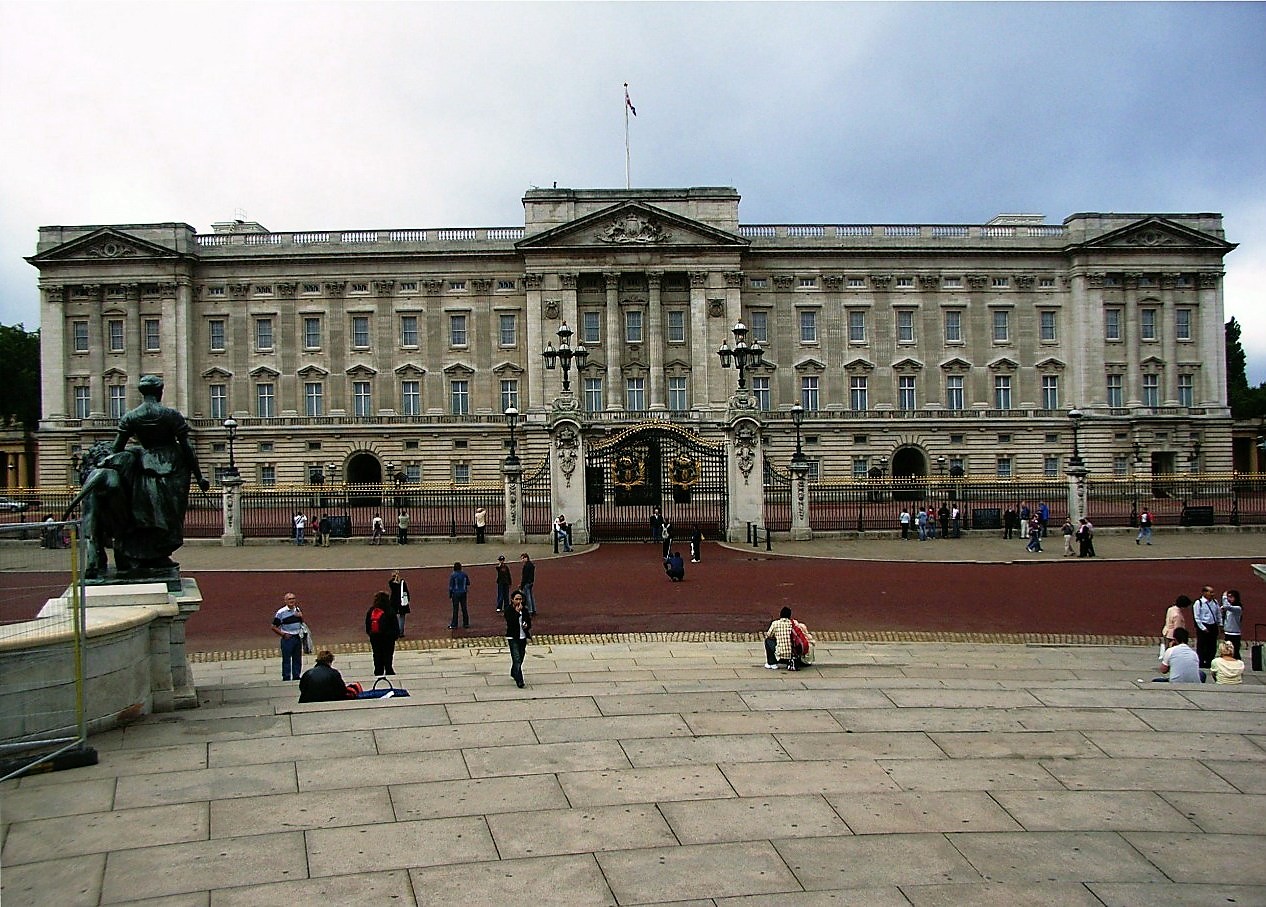
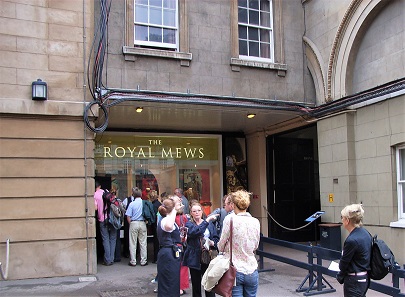 The Royal Mews is the finest working stables in existence today. Built in 1760 by George III adjacent to Buckingham Palace it contains, and has on display, some of the Royal Coaches and vehicles used on State occasions. This includes the magnificent Gold State Coach first used by George III when he opened Parliament in 1762. This has subsequently been used for every coronation since then.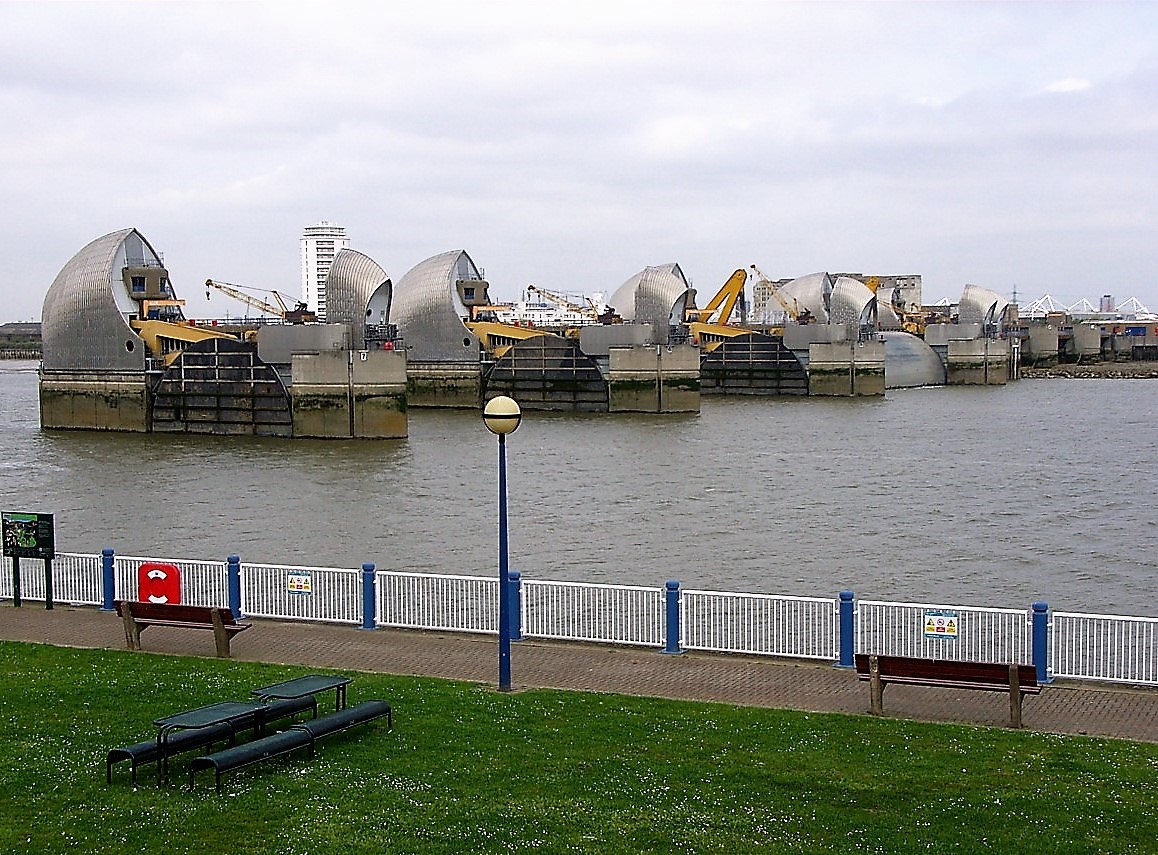
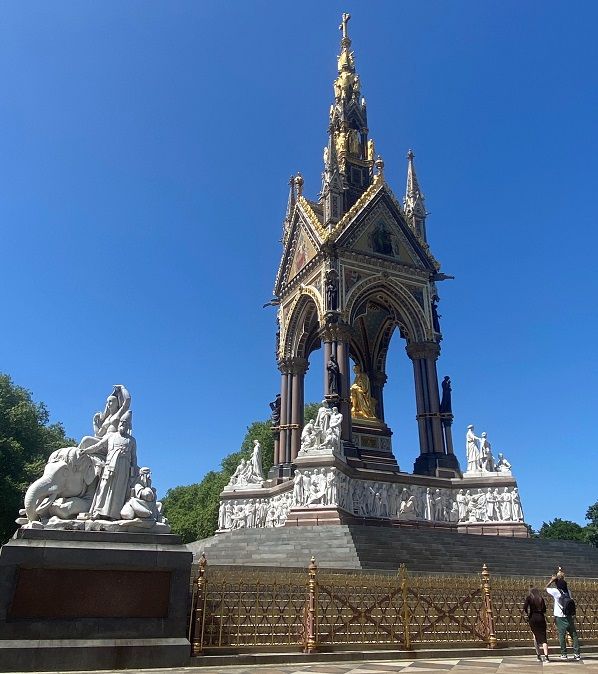


All Photographs were taken by and are copyright of Ron Gatepain


| Site Map |