





 |
|
|||||||||||||||
 |
||||||||||||||||











 |
|||
 |
Virginia Colonial Williamsburg Peyton Randolph House 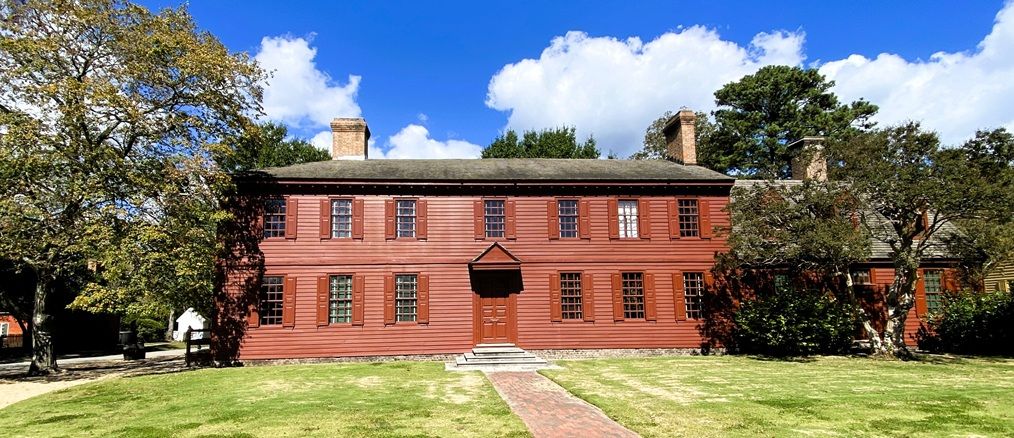
The Peyton Randolph House is one of Colonial Williamsburg’s oldest and most historically significant residences: It is located on Nicholson Street, which runs off of Palace Green. Consisting of three structures, the western section of the house was built in 1715 by William Robertson. This was purchased in 1724 by Sir John Randolph who expanded the property by creating the eastern section. Peyton Randolph joined the structures together in 1754/1755, creating the distinctive multi-section layout, seven-bay, two-story frame house with a mix of hipped and gabled roofs, asymmetrical window placement, and original 18th-century woodwork. In the Civil War, during the Battle of Williamsburg of 1862, the house was used as a hospital for both Union and Confederate troops. In 1939–40 it was restored by the Colonial Williamsburg Foundation, with the east wing reconstructed to reflect its 18th-century appearance. Peyton Randolph (1721–1775) was a Founding Father who served as Speaker of the House of Burgesses and President of the First and Second Continental Congresses. He lived here from 1745 until his death in 1775. It was his leadership which helped shape early American governance, and the house became a hub for revolutionary planning. The Peyton Randolph House is often called one of the most haunted houses in America. Accounts describe apparitions of enslaved individuals, soldiers, and members of the Peachy family who acquired the house in the 1860s. Its long history of division, illness, and war contributes to its reputation as a site where the past lingers vividly. The House consists of three interconnected sections, each with distinct rooms reflecting its history. Visitors will normally enter the premises via the rear gate entrance and pass the outbuildings. These include the stables and coach house and the service buildings such as the dairy where food storage and preparation were carried out. This also includes the Servants Hall, the laundry and the kitchen. The Kitchen was a two-storey building with the lower level being used for the preparation of meals, while the upper storey being used to house the enslaved workers or for storage. 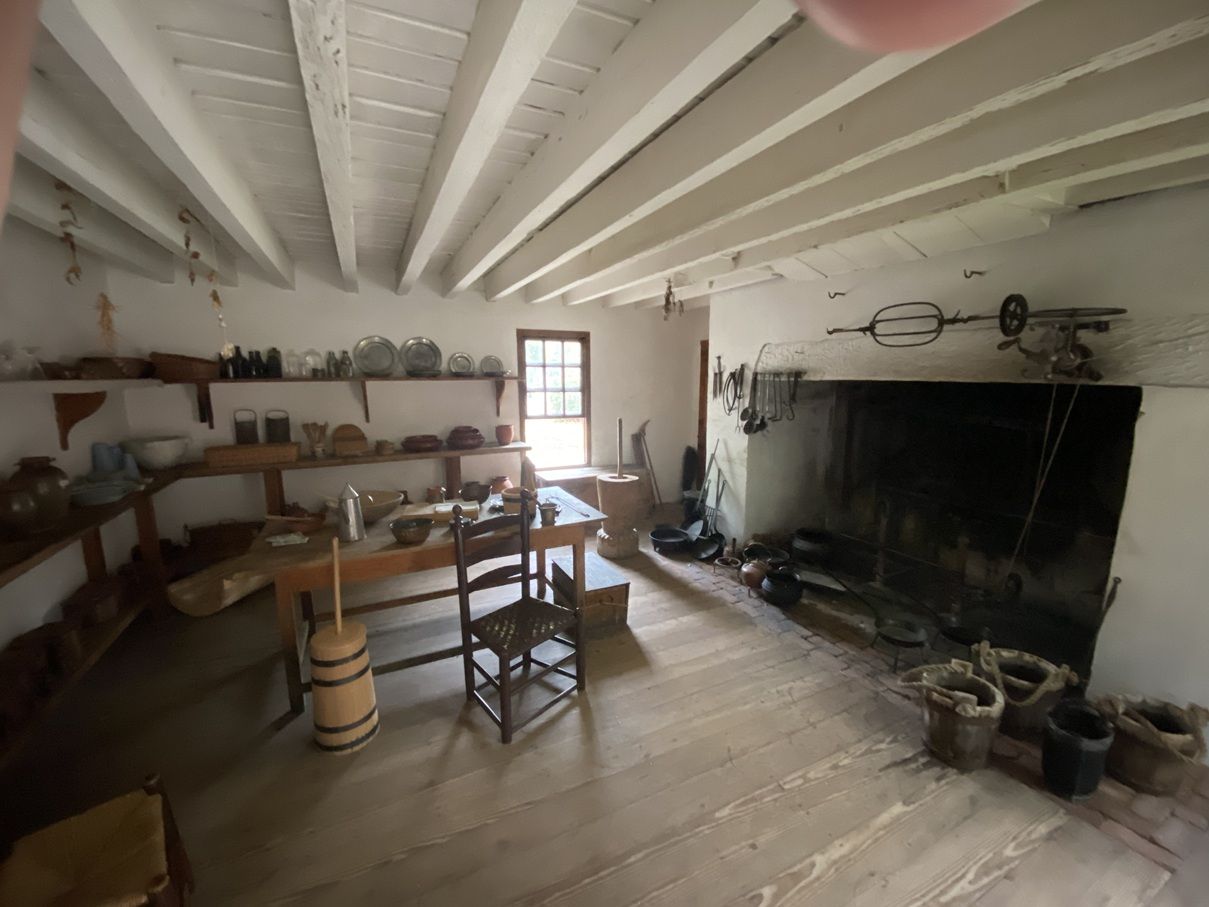 Although the kitchen was built separate from the main house to reduce fire risk, it was connected by a covered way. 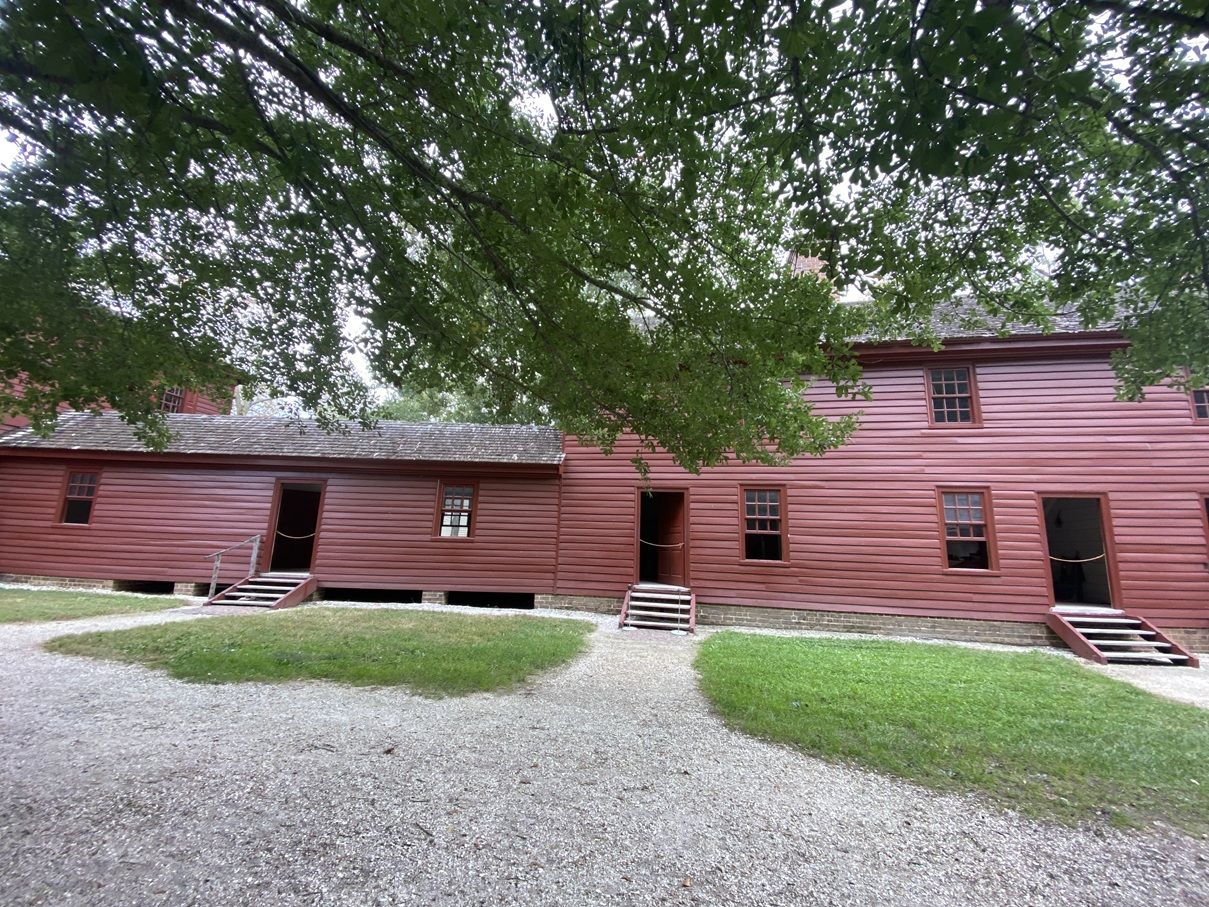 Part of the outbuildings is the Servants Hall which was a crucial domestic space situated near the kitchen, forming part of the eastern wing or rear dependencies. This was a communal space for enslaved attendants and household servants to eat, rest, and organize duties. It functioned as a hub of coordination for domestic work such as meals, cleaning, and preparation for service in the parlours and dining room. It included simple tables, benches, and storage and provided direct access to the kitchen and passages ensuring efficiency but keeping servants largely invisible to guests. 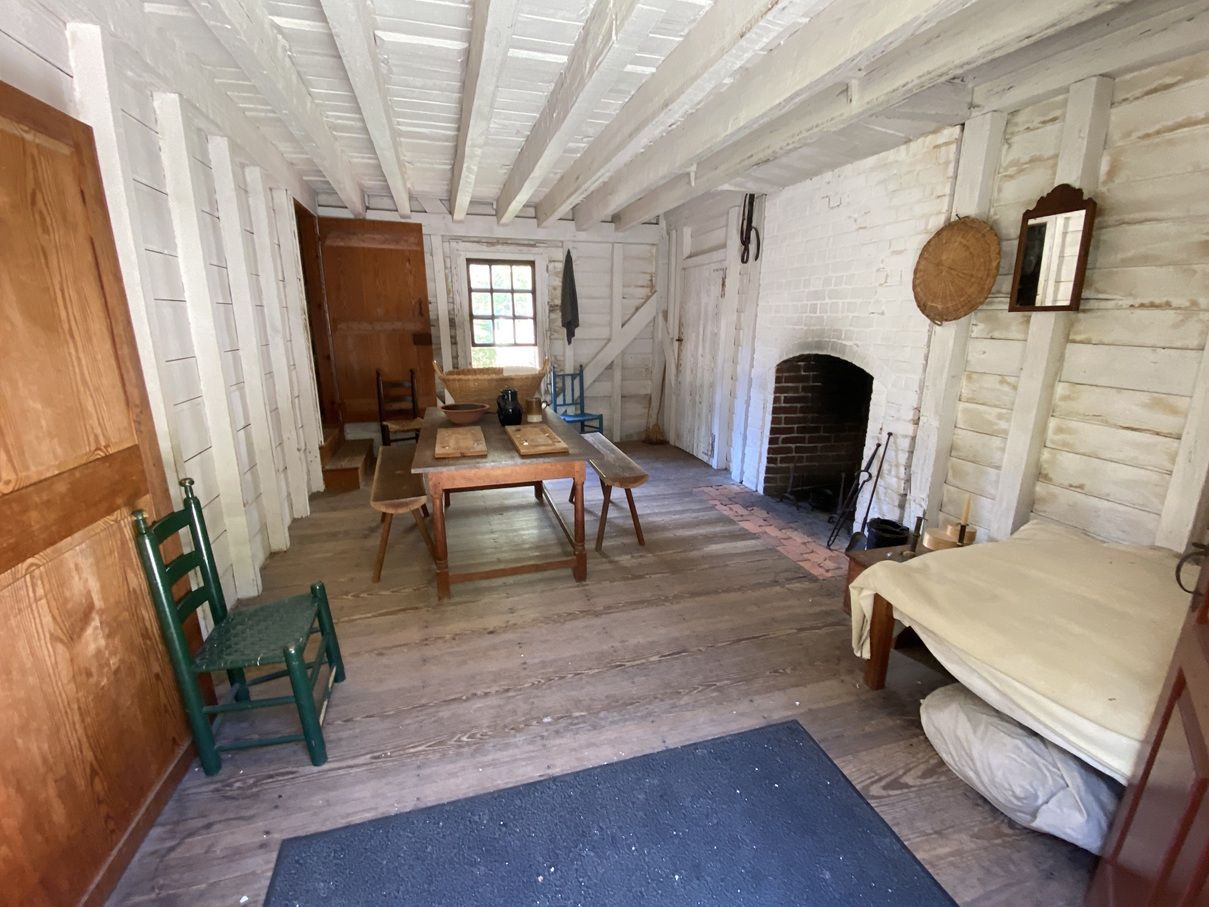 Visitors will tour the main ceremonial and domestic rooms which are on the ground floor and which include the parlours, dining room, and stair passage, which takes visitors to the upstairs parlour, and bedchambers. One of the parlours located in the western wing is the formal reception space which contains the portraits of Peyton Randolph and his wife Elizabeth. This was used for civic hospitality and political discourse. 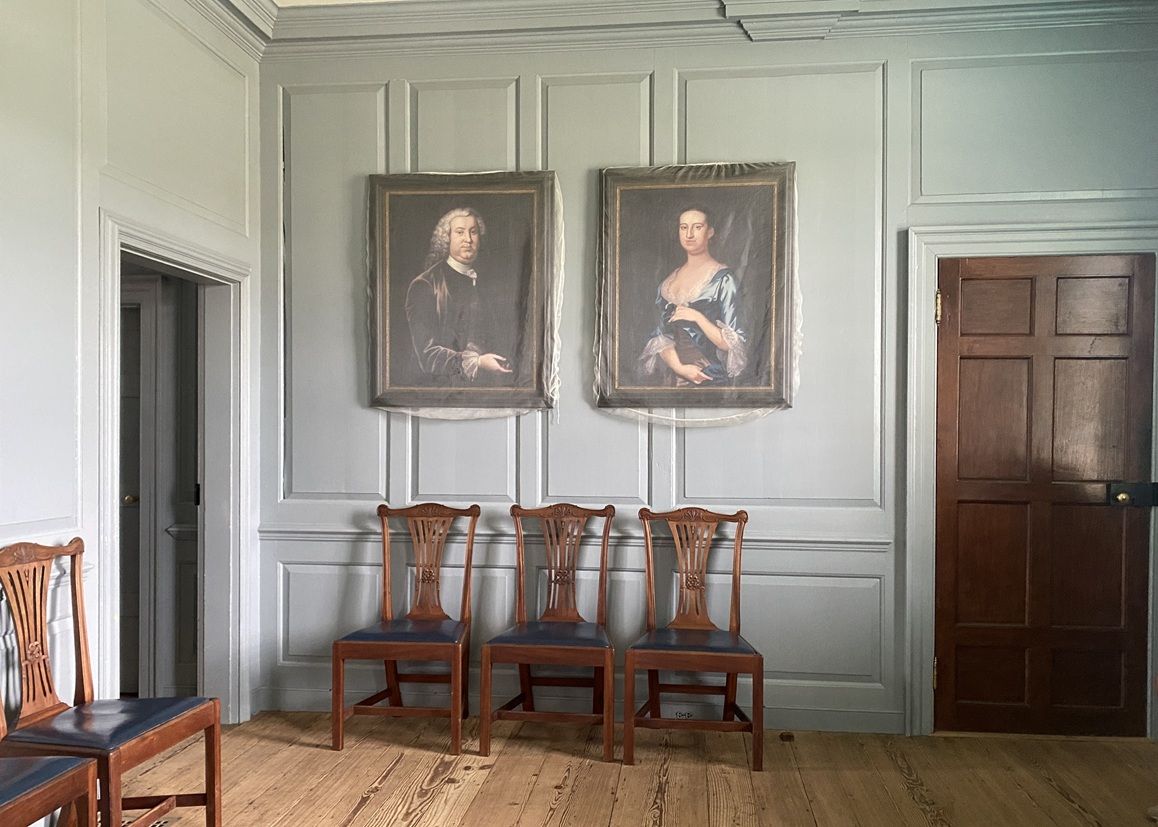 Also to be seen on the ground floor adjacent to the main parlour is the Dining Room. This room functioned as a place for revolutionary planning, where food and politics intertwined. It was a central site of ceremony, hospitality, and political discourse, and hosted formal meals for family and visiting dignitaries, including George Washington and General Rochambeau in 1781. Enslaved attendants served meals, entering discreetly from service passages and outbuildings. 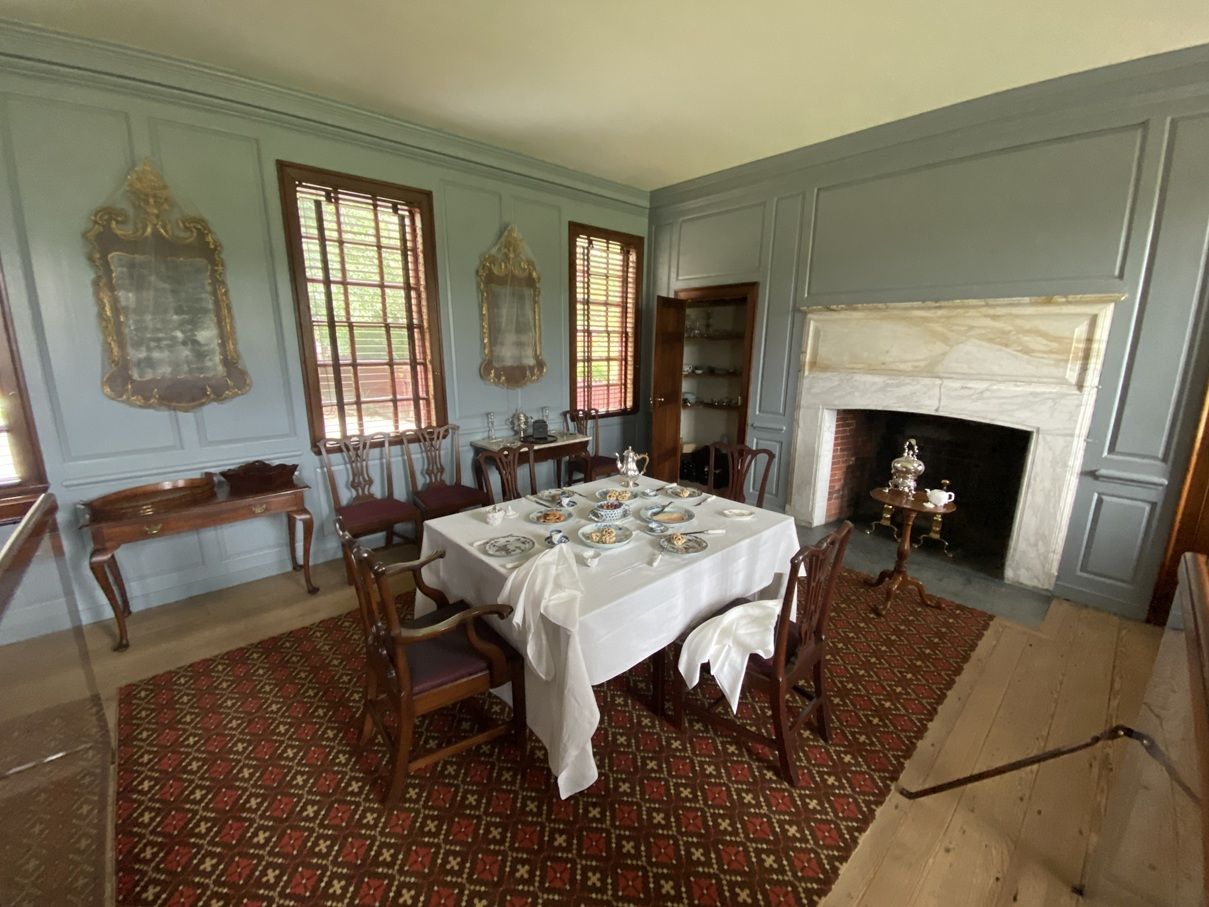 Adjacent is the stair passage, which was added during Peyton Randolph’s mid-18th-century renovations, symbolising elite status and ceremonial transition between public and private space. The Grand stairway connected public ground-floor rooms to private bedchambers above. The staircase itself is a replica, as is the window, although the window frame is original. The bottom of the stairs leads to the main doorway which faces onto Nicholson Street. 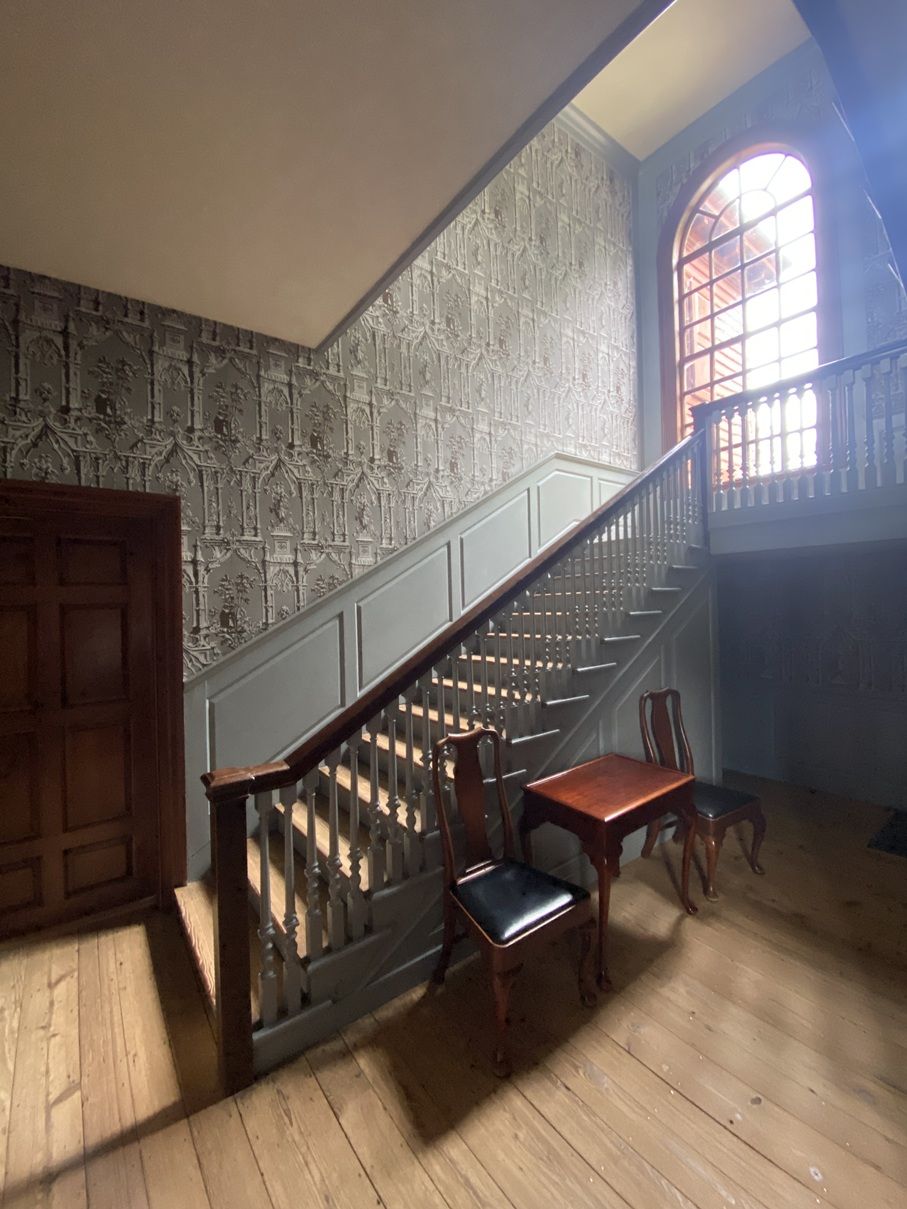 Located in the eastern wing is the library which was used as an office and study space. The library was part of the more private, intellectual spaces of the house, distinct from the formal parlour and dining room. The library contained books, writing desks, and legal papers, reflecting Peyton Randolph’s role as Speaker of the Virginia House of Burgesses and President of the Continental Congress. 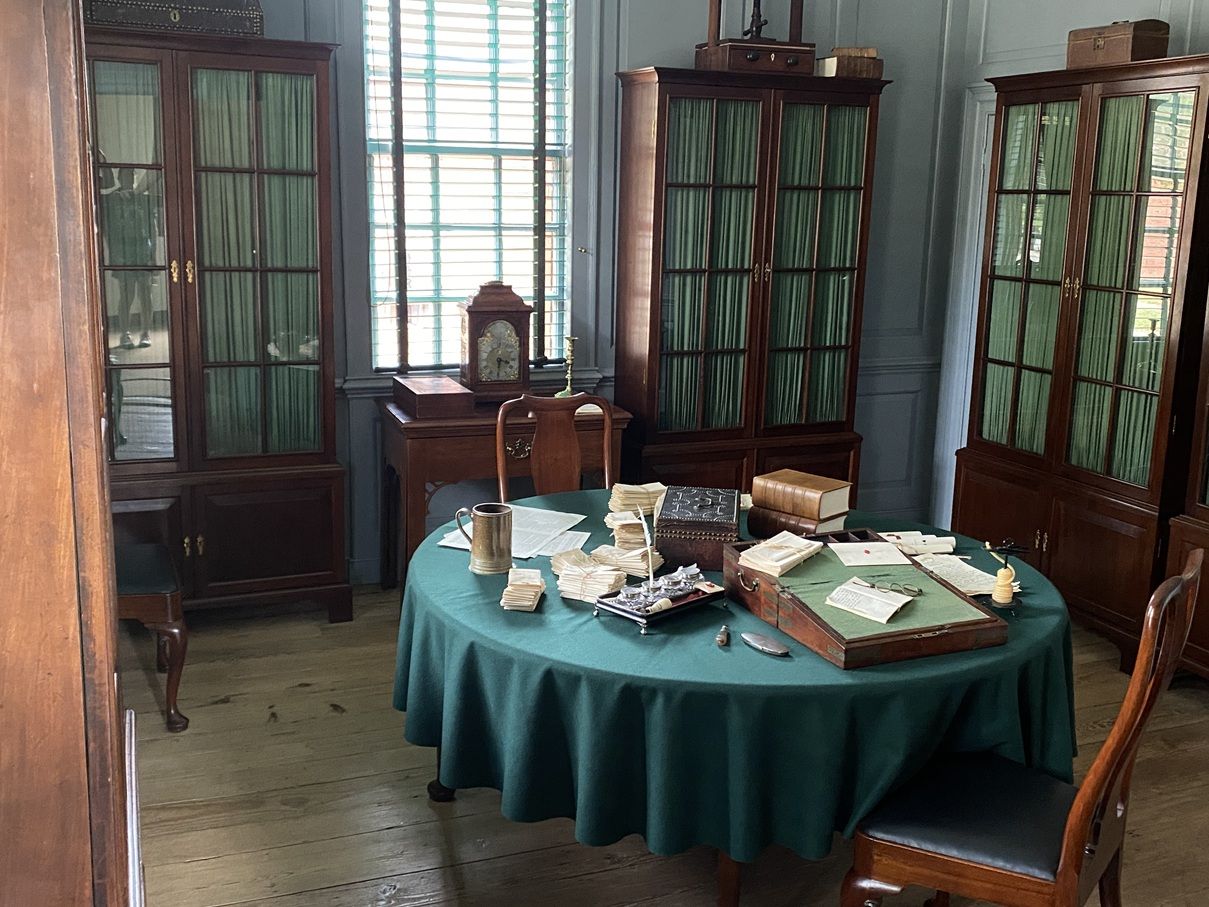 Returning to the stairway, this provided access to the private area upstairs with bedchambers and an upstairs parlour which was located directly above the formal parlour. It was furnished with tables, chairs, and decorative panelling, but less formal than the ground-floor reception rooms. Its windows and elevated position gave it light and privacy, making it ideal for family gatherings. It functioned as a semi-private reception space for close friends or dignitaries, offering a quieter alternative to the formal parlours below. 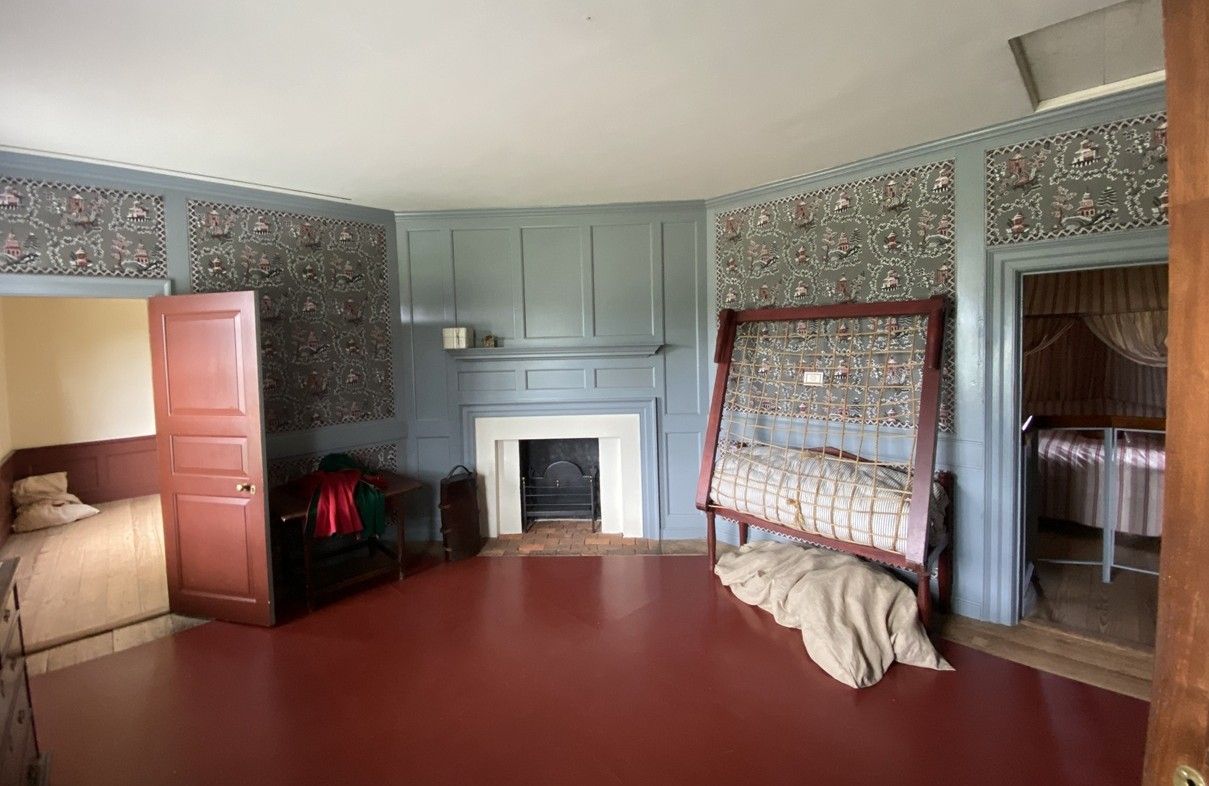 The bedrooms were not simply private sleeping chambers but other places for family life, social hierarchy, and symbolic transition. The rooms were furnished with canopied beds, high chests, and imported textiles, reflecting wealth and status. The Master Bedchamber was that which was occupied by Peyton Randolph and his wife Elizabeth, it would have been furnished with a canopied bed, fine textiles, and imported furniture, signalling wealth and authority. Symbolically, it was the domestic throne room, elevated above the civic parlours below. Today there are two beds in the room, and it is believed that a second one was brought in to enable a relative to stay with Elizabeth for company following Payton’s death in 1775. 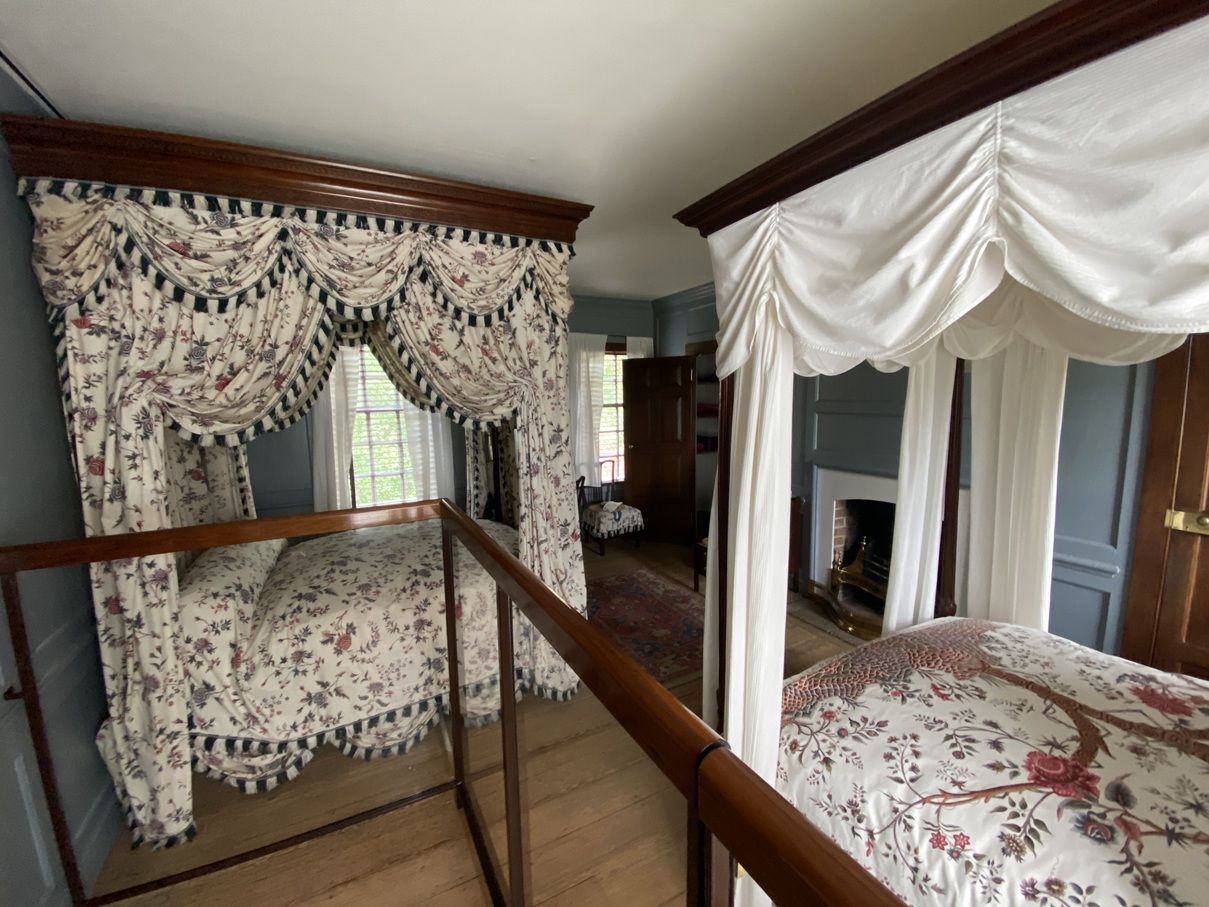 The Oak Bedchamber is one of the most distinguished rooms in the House, named for its rich oak panelling and furnishings that set it apart from the other chambers. It embodies both domestic intimacy and ceremonial authority. Distinguished by oak-panelled walls, carved woodwork, and a finely crafted bedstead, which projected wealth and permanence. It was furnished with imported textiles, high chests, and possibly writing desks, making it suitable for both rest and private work. Likely reserved for family members of high status or honoured guests. During the Revolution, it may have been used to host visiting leaders, reinforcing the Randolphs’ civic role. 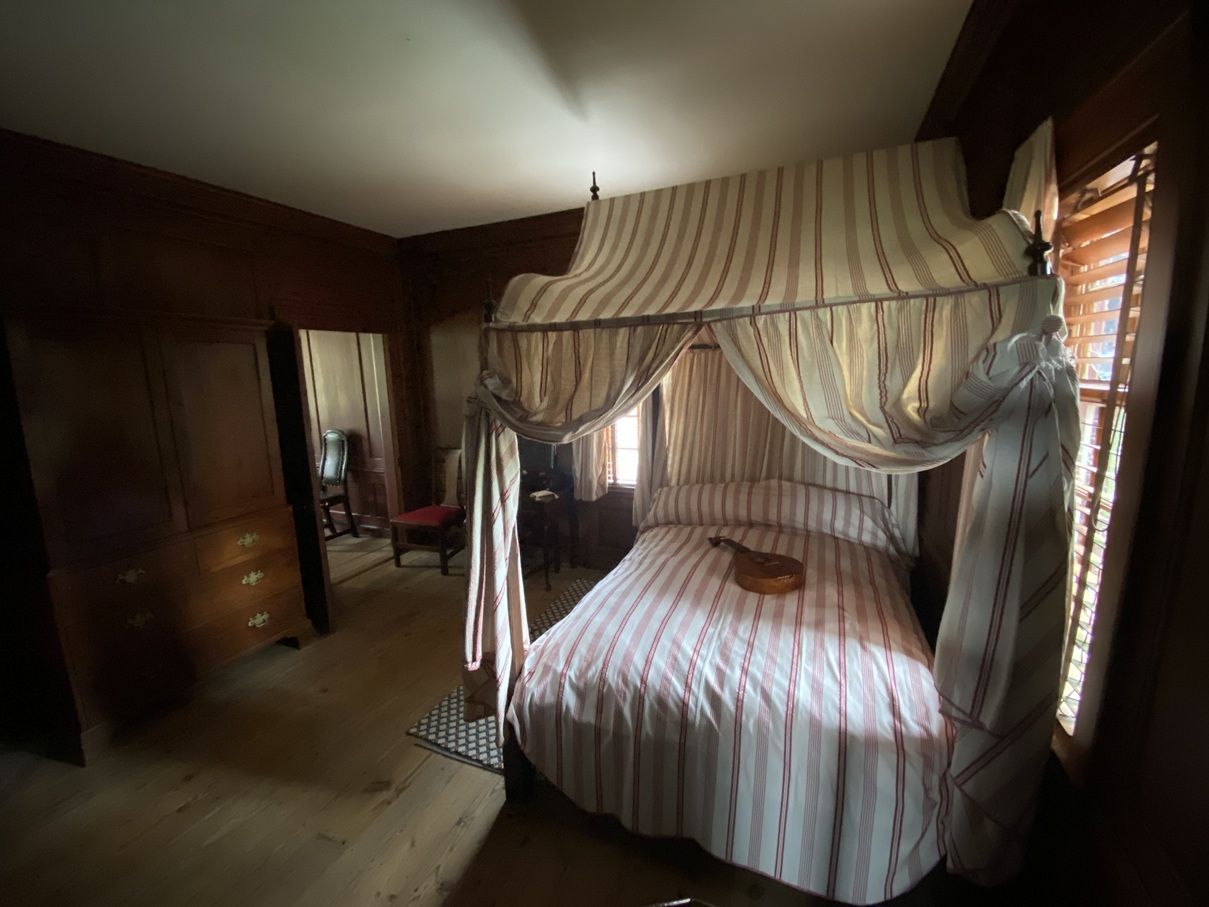 The corner bedchamber positioned at the corner of the main block was part of the original 1715 Robertson-built section, later incorporated into the Randolph expansion. The room combines architectural elegance with layered symbolic meaning. The room receives natural light from two directions, making it one of the brightest and most desirable chambers. Furnished with a canopied bed, high chest, and imported textiles, it reflected the Randolph family’s wealth and taste. Its dual exposure gave it prominence, often reserved for family members of status or distinguished guests. Enslaved attendants would have been stationed nearby, in smaller cramped adjoining spaces, in order to provide constant service. 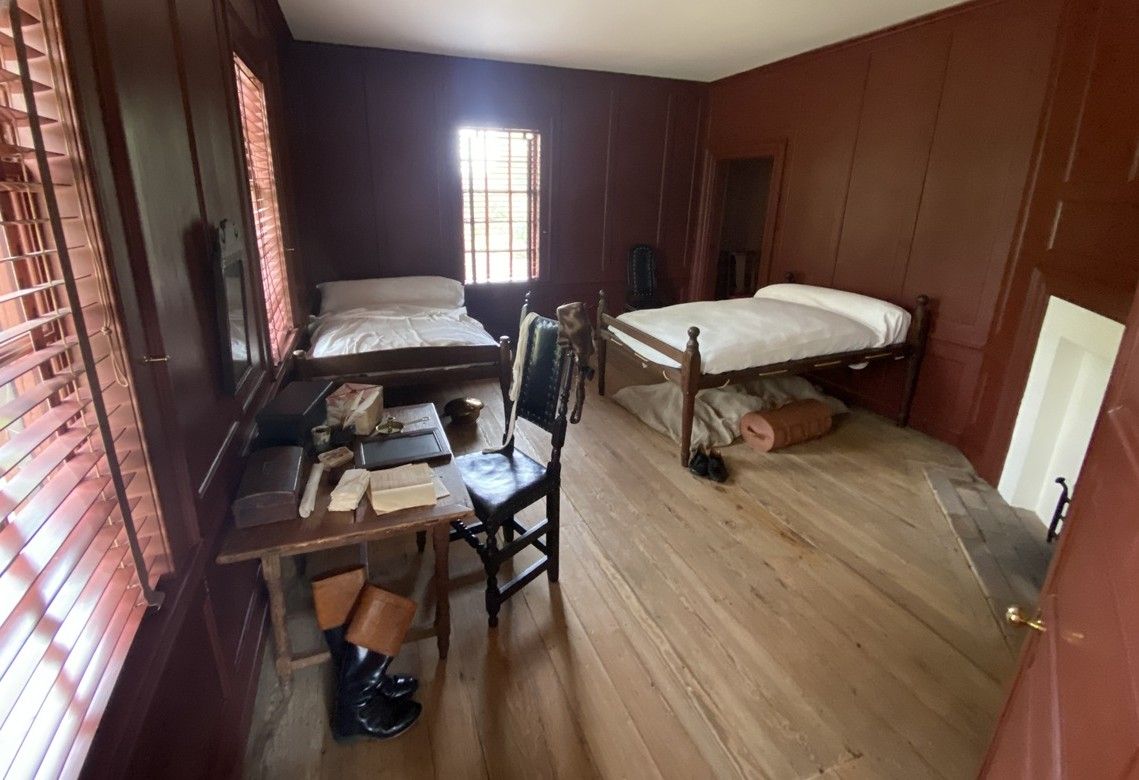 The house reflects both the prominence of Peyton Randolph and the contradictions of the era, as it was also home to 27 enslaved people, whose lives and labour sustained the household.
|
 |
|
 |
|||


All Photographs were taken by and are copyright of Ron Gatepain


| Site Map |